
At Dixon Center for Military and Veterans Services (the Center), we believe that connecting our audience and partners with the right community resources serving veterans and their families is more important than creating new ones.
With thousands of organizations integrating veterans into their existing direct services nationwide, it can be difficult – even for experienced advocates – to know which services best meet the evolving needs of veterans and their families. As a result, valuable services may often be overlooked. One effective yet frequently misunderstood and perhaps underutilized resource is the U.S. Department of Veterans Affairs (VA) Vet Center network.
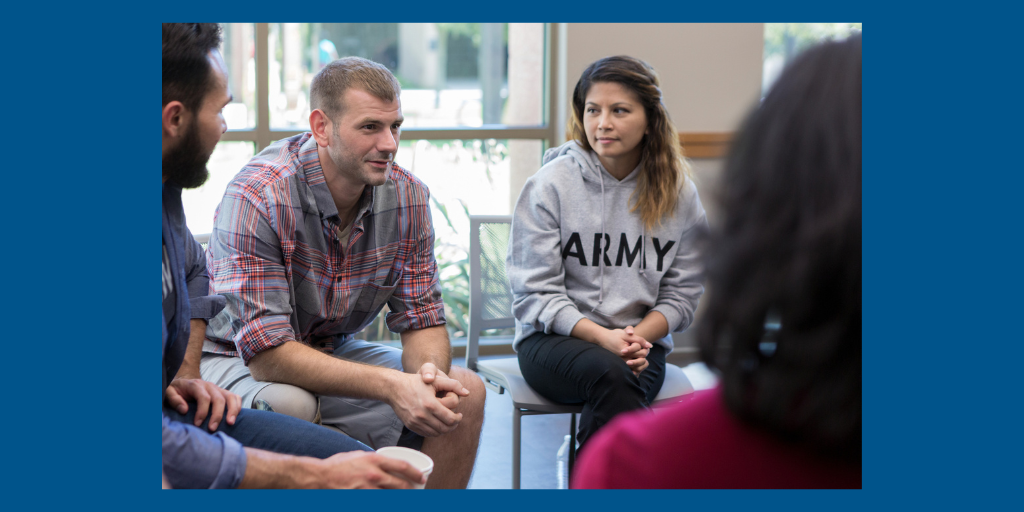
Approximately 300 Vet Centers and 85 affiliated mobile units operate within the VA system, but unlike VA medical centers, they are more frequently found in communities where veterans live and work. Services are free, confidential, and available to a growing number of veterans, active-duty servicemembers, family members, and caregivers. Vet Centers provide individual, group, and couples readjustment counseling and help clients connect with VA health care, education benefits, employment resources, and other community-based services.
One common misconception is that Vet Centers are hospitals or medical facilities focused solely on serious mental health concerns. In reality, their mission is much broader. They increasingly serve as trusted community hubs that connect veterans and their families with local resources that support successful transitions from military service and long-term well-being.
Recent changes are making Vet Centers more accessible, more collaborative, and more valuable to both veterans and the organizations that serve them. Expanded eligibility, increased outreach, additional mobile and satellite locations, and a growing emphasis on partnerships are strengthening the role Vet Centers play within a broader ecosystem of support. These developments create new opportunities for colleges, universities, nonprofits, and community organizations to connect veterans with specialized services through trusted referral partnerships.
Perhaps the most significant change to Vet Centers is that eligibility has expanded well beyond the traditional image of combat veterans receiving counseling. Today, additional military-connected populations can access Vet Center services, including:
The new Vet Center Scholarship Program, established under the Health Professional Scholarship Program (HPSP), is designed to strengthen the Vet Center workforce by supporting veterans pursuing careers in social work, psychology, licensed professional mental health counseling, and marriage and family therapy. Scholarship recipients commit to serving in Vet Centers experiencing critical staffing shortages after graduation, creating a stronger pipeline of clinicians dedicated to serving veterans and military families.
Today, Vet Centers are placing greater emphasis on partnerships with colleges, universities, veteran-serving nonprofits, and community organizations. In doing so, rather than duplicating services, these organizations can strengthen support for veterans by building relationships with their local centers. Whether assisting a student veteran navigating the transition to college, a family adjusting to military life, or a veteran seeking employment or VA benefits, these partnerships help ensure veterans reach specialized services more efficiently.
At the Center, we believe no single organization can meet every need of every veteran. Strong outcomes depend on strong partnerships. Vet Centers represent an important community partner that can enhance local support networks without requiring organizations to develop duplicative services. As awareness grows, so too does the opportunity to strengthen collaboration on behalf of those who have served.
Although Vet Centers have long been an important resource, the recent changes in eligibility, workforce development, outreach, and community partnerships make them more valuable than ever. For organizations committed to serving veterans, understanding what today’s Vet Centers offer is an opportunity to strengthen local support networks and ensure veterans and their families receive the coordinated support they have earned.
