
Some stories last because they keep finding new ways to speak to us, generation after generation.
The Odyssey – even after thousands of years – is one of those stories. On the surface, it is an ancient epic about Odysseus’s long journey home after the Trojan War. But viewed through the lens of service members and veterans returning from war, it becomes something even more immediate: a powerful story about survival, disorientation, longing, and the difficult work of becoming whole again.
Odysseus’s journey reminds us that the return from war does not end when the fighting stops. The protagonist longs for home, yet the path back is filled with danger, delay, temptation, and loss. That tension mirrors what many veterans experience today: the desire to reconnect with family and familiar routines while carrying memories, grief, and habits shaped by service.
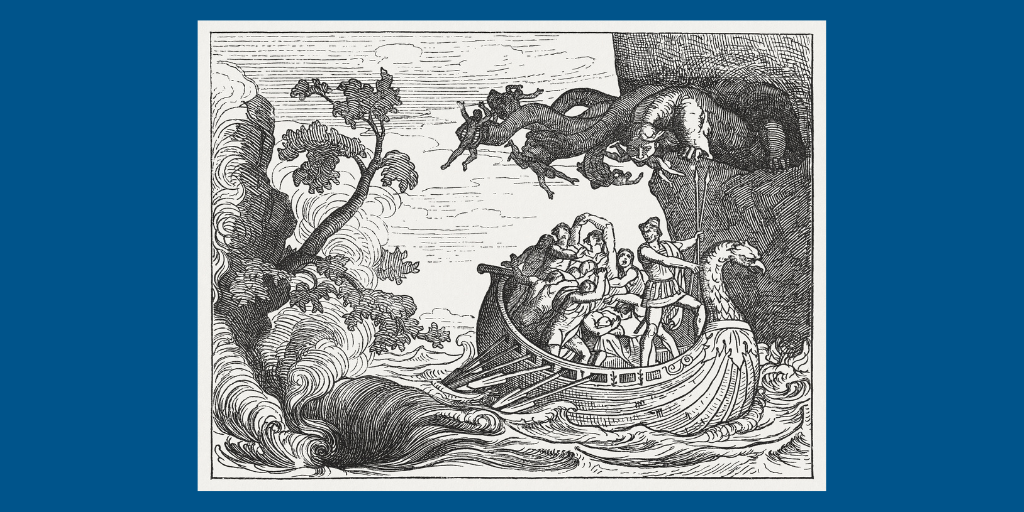
Many of Odysseus’s trials can be read as emotional as well as physical challenges. Odysseus eating the lotus suggests the pull of escape and numbness to ease his war trauma. The cannibal giants, the Laestrygonians, represent sudden trauma and result in deep human emotions (shame, guilt, bereavement and loss). The Cyclops episode shows how pride, anger, and impulsiveness can put others at risk. These scenes can open meaningful conversations about trauma, isolation, hopelessness, and the difficult search for purpose after war.
Odysseus survives not only because he is strong, but because he continues to move toward connections – with his family, his home, and the life he hopes to reclaim. For veterans and their loved ones, that message matters. Healing is rarely solitary. It often depends on honest conversation, patient support, and communities willing to recognize that unseen wounds can be as real as visible ones.
Watching The Odyssey with family, fellow service members, or veteran groups can be more than an appreciation of a classic story. It can become a starting point for reflection: What does it mean to come home? What makes the journey difficult? And how can we better support those who are still finding their way back?
