
Artificial intelligence (AI) is rapidly transforming many sectors, and organizations dedicated to serving United States military veterans and their families are no exception. As these organizations strive to support a community facing unique challenges – ranging from healthcare and employment to education and social reintegration – AI plays an increasingly pivotal role in how they operate, innovate, and deliver services. This section explores the profound impact AI is having on think tanks, thought leadership, resource centers, and direct service providers focused on veterans and their families.
Dixon Center for Military and Veterans Services (the Center) is at the forefront of harnessing AI by combining its strong leadership, technical expertise, and expansive national network. Recognizing the transformative power of AI, the Center’s leaders are championing initiatives that integrate advanced technologies into their programs, ensuring veterans and their families benefit from the most innovative solutions available. Their technical teams are actively exploring and implementing AI-driven tools for data analysis, program evaluation, and resource allocation, enhancing their capacity to understand and address the evolving needs of the veteran community.
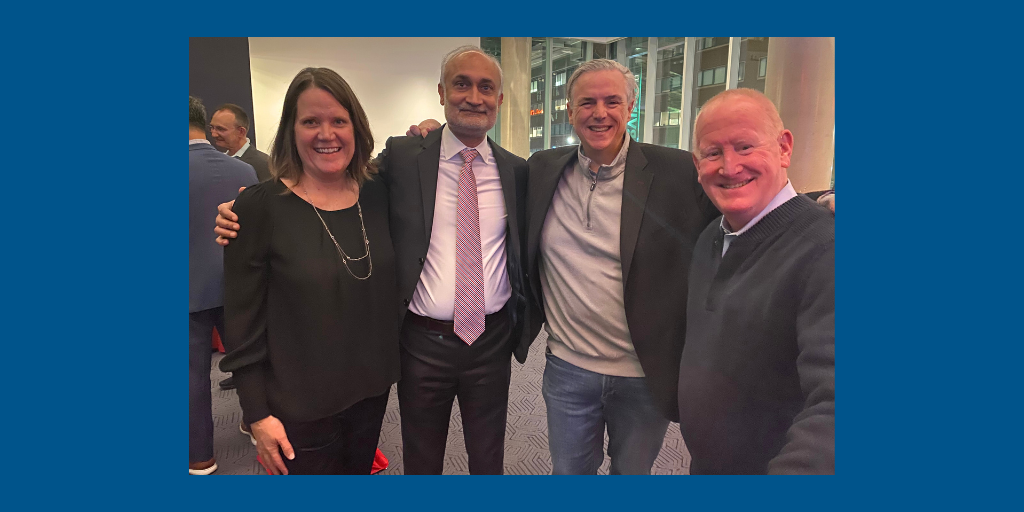
Strategic partnerships are central to the Center’s approach, and collaborations with organizations like AlphaROC exemplify this commitment and are critical to the Center’s business development lead by our president, Duncan Milne. By joining forces with organizations like AlphaROC the Center leverages cutting-edge AI solutions in areas such as predictive analytics, personalized outreach, and process automation. These partnerships not only expand the Center’s technological capabilities but also foster a collaborative ecosystem where expertise and resources are shared across organizations, ultimately amplifying the impact and reach of services provided to veterans and their families.
Revolutionizing Think Tanks and Research: Think tanks devoted to veterans’ issues have traditionally relied on manual research, surveys, and expert analysis to shape policy recommendations and public discourse. With AI, these organizations are now harnessing vast amounts of data from government sources, academic research, and social media to better understand the evolving needs of veterans.
Natural language processing (NLP) enables think tanks to analyze policy documents, legislative texts, and online conversations at scale. Machine learning algorithms identify patterns and emerging trends – such as shifts in mental health concerns or barriers to accessing benefits – allowing for timelier and evidence-based policy recommendations. AI-driven data visualization tools help researchers communicate complex findings in ways that are accessible to policymakers, the media, and the public, amplifying the impact of their insights.
Enhancing Thought Leadership and Advocacy: Thought leaders in the veteran support space are leveraging AI to become more effective advocates and influencers. AI-powered analytics track public sentiment, media coverage, and legislative developments, enabling leaders to tailor their messaging and advocacy strategies in real time.
Content generation tools, such as generative AI language models, help organizations quickly draft policy briefs, op-eds, and educational materials, allowing them to respond rapidly to current events affecting veterans. AI can also personalize communication with stakeholders, donors, and the veteran community – ensuring that outreach is relevant, timely, and impactful.
Empowering Resource Centers and Information Hubs: Resource centers and information hubs serve as critical bridges between veterans, their families, and the services they need. AI is making these platforms smarter and more responsive. Chatbots and virtual assistants, powered by AI, can answer frequently asked questions, help veterans navigate complex benefits systems, and direct them to appropriate resources 24/7.
Search functions have become more intuitive, thanks to AI-driven semantic search, allowing users to find information even if they are unsure of the exact terminology. Predictive analytics help resource centers anticipate the needs of veterans, proactively offering guidance on issues like healthcare enrollment, housing assistance, or career development.
Transforming Direct Service Provision: Direct service providers -including healthcare organizations, employment agencies, and counseling centers – are perhaps witnessing the most tangible benefits of AI. In healthcare, AI is used to analyze electronic health records and screen for conditions affecting wellbeing such as emotions, traumatic brain injury, or burn pit and toxic exposure, leading to earlier interventions and improved outcomes.
Employment and training programs use AI to match veterans with job opportunities that align with their skills, experience, and preferences. Resume scanning and interview preparation tools help veterans present themselves more effectively to civilian employers. AI-powered mental health platforms offer confidential support, crisis intervention, and ongoing therapy, breaking down barriers to care for veterans who may be reluctant to seek help.
Challenges and Ethical Considerations: Despite these advances, the integration of AI is not without challenges. Concerns around data privacy, algorithmic bias, and transparency are especially acute when dealing with sensitive populations like veterans. Organizations must work diligently to ensure that AI systems are developed and deployed ethically, with input from veterans themselves to avoid unintended consequences.
There is also a digital divide to consider – not all veterans or their families have equal access to technology, which can exacerbate disparities if not addressed. Training staff and users to understand and trust AI tools is essential for their successful adoption.
Looking Ahead: The impact of AI on organizations serving or seeking to serve U.S. military veterans and their families is substantial and growing. By automating routine tasks, uncovering new insights, and personalizing support, the Center is embracing AI and empowering these organizations to serve veterans more effectively and efficiently. As technology continues to evolve, the Center believes the most successful organizations will be those that combine AI’s capabilities with genuine human empathy and understanding, ensuring no veteran or family member is left behind in the digital age.
