The Center Recognizes the Service & Sacrifice of Vietnam War Veterans
“Our nation owes an eternal debt of gratitude for their sacrifice and that of their families. We cannot forget to remember.” – Sara Heidenheimer, Program

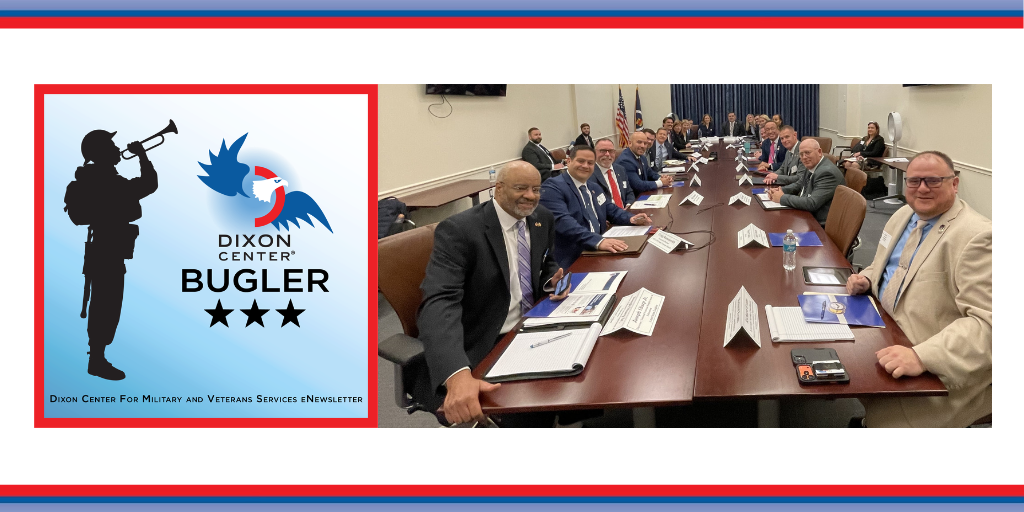
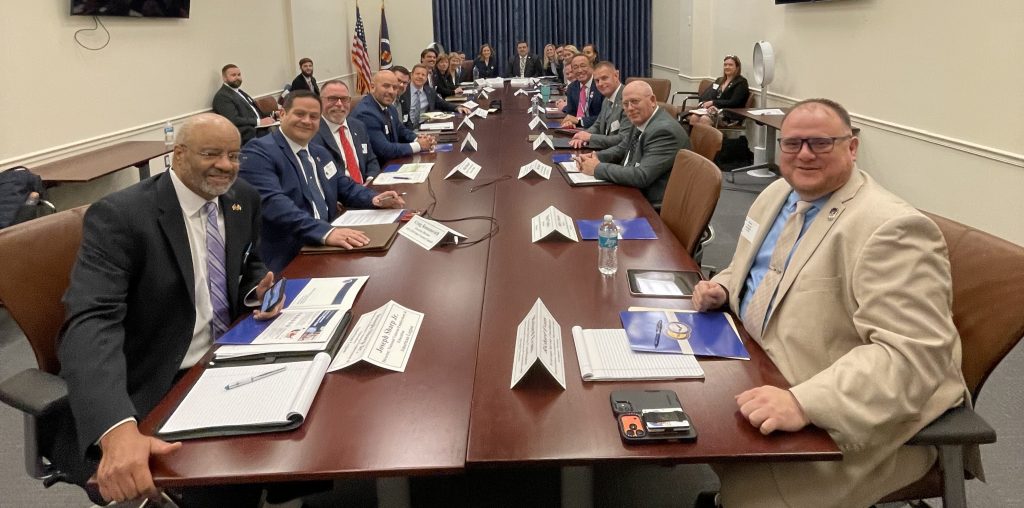
On Feb. 19, Dixon Center for Military and Veterans Services (the Center) participated in the Department of Labor Veterans’ Employment and Training Service (VETS) Union Apprenticeships Roundtable, bringing together leaders from labor organizations, federal agencies, and veteran-serving institutions. The discussion focused on improving access to registered apprenticeships for transitioning service members and veterans.
During the roundtable, the Center shared insights from our work across workforce ecosystems, highlighting where veterans often encounter barriers entering union-sponsored apprenticeship programs. Key themes included aligning military transition timelines with apprenticeship intakes, improving recognition of military training and experience, and strengthening collaboration between veteran-serving organizations and apprenticeship sponsors.
At the same time, the Center continued working with national labor partners on federal policy aimed at expanding veteran access to these pathways.
In collaboration with the AFL-CIO and other partners, the Center helped inform the development of the Reducing Arbitrary Barriers to Apprenticeship Act of 2026, recently introduced in both the House and Senate.
The legislation addresses a long-standing imbalance in how Post-9/11 GI Bill benefits are distributed between traditional college programs and registered apprenticeships. Under current law, veterans pursuing four-year degrees can receive greater total benefits than those entering apprenticeship programs—even though apprenticeships require full-time training and lead directly to high-demand careers.
Together, these efforts marked meaningful progress toward ensuring veterans have equitable access to career pathways that provide purpose, stability, and long-term opportunity.
“Our nation owes an eternal debt of gratitude for their sacrifice and that of their families. We cannot forget to remember.” – Sara Heidenheimer, Program

“Create specific content for our audience (partners, donors, business drivers, and networks).” – Stakeholder Engagement: Dixon Center for Military and Veterans Services: Three-Year Business Plan
“To be sustainable, business development must be continuous.” – Duncan S. Milne, Retired US Marine Corps Colonel, President,Dixon Center for Military and Veterans Services At
“Now more than ever, we are reaffirming our unwavering support for those touched by military service by ensuring we have the resources to fulfill our commitments.” – Eileen
