
The Heart of Service: Dixon Center for Military and Veterans Services Approach to Supporting Veterans and Their Families
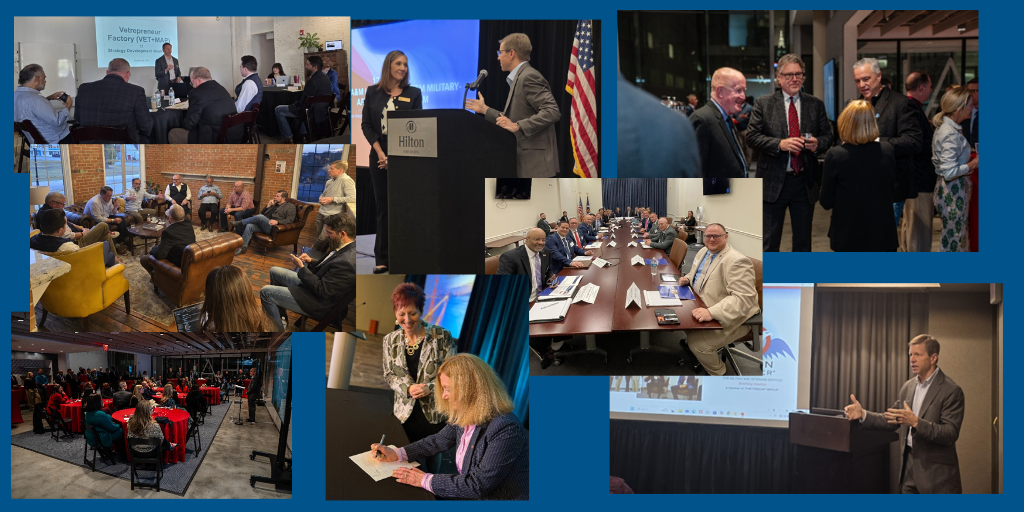
Meeting People Where They Are in Challenging Times
Background
In this 5-part series, we are exploring the vital steps the Center for Military and Veterans Services (the Center) takes to create lasting impact for veterans and their families – from recognizing the specific needs of the veteran community to developing strategic initiatives that foster significant progress.
This article delves into the heart of Dixon Center for Military and Veterans Services, highlighting our unique, compassionate approach to supporting veterans and their families. Through a thoughtful exploration of real-world challenges – such as war, economic uncertainty, and direct service staffing shortages – we demonstrate how the Center stands out by meeting people where they are. The piece emphasizes the Center’s dedication to collaborating with organizations, communities, and individuals, tailoring strategies and empowering partners to make a meaningful difference. By bridging the gap between intention and impact, the Center transforms goodwill into lasting support, ensuring veterans and their families receive the care and connection they deserve.
This article continues from where our previous blog left off highlighting our foundational approach – from identifying the unique needs of the veteran community to designing strategic initiatives that drive meaningful change.
Introduction
When we think about organizations truly making a difference in the lives of veterans and their families, the Center stands out as a beacon of hope, compassion, and action. In a world shaped by global uncertainties, economic turbulence, and shifting social landscapes, the Center’s mission has never been more vital. What distinguishes the Center is its unwavering commitment to meeting organizations, communities, and individuals where they are – embracing each unique context to empower those who serve veterans and their families.
Understanding the Center’s Mission
At its core, the Center exists to ensure that veterans and their families are not just remembered but actively supported in their daily lives. Rather than operating in isolation, the Center collaborates deeply with a wide network of partners – service agencies, community groups, and individual advocates. The aim is simple yet profound: to bridge the gap between intention and impact, transforming goodwill into tangible support for those who have served and sacrificed.
Meeting People Where They Are: The Center’s Unique Approach
What sets the Center apart is our philosophy of meeting people where they are. This means recognizing that every organization, community, and individual comes with their own strengths, resources, and challenges. Instead of imposing a one-size-fits-all solution, the Center listens first. We tailor strategies, guidance, and support each partner’s reality, helping them find the best ways to serve veterans and their families within their own contexts.
Whether it’s a small-town community group struggling to mobilize volunteers, a national agency facing budget cuts, or a local business wanting to hire veterans, the Center steps in as a collaborator and coach. Our approach is rooted in empathy and flexibility, ensuring that every partner feels seen and empowered to make a difference – no matter where they start.
Current Challenges: War, Economy, and Staffing
Recently the wellbeing of those touched by military service has been marked by extraordinary challenges. Global and national events, including ongoing uncertainty surrounding the war with Iran, have created new anxieties for veterans and their families. Economic instability has made it harder for service agencies to secure funding and retain staff, while decreasing staffing levels have stretched resources thin. These pressures can leave veterans facing longer wait times for care, fewer community programs, and less personalized support.
On top of these issues, many veterans and their families are navigating the emotional toll of transition, trauma, and loss. The ripple effects of global conflict and economic uncertainty are felt not just in headlines, but in everyday life – through job insecurity, housing struggles, and the challenge of finding meaningful connection and purpose not just immediately after military service but years later.
Why the Center’s Approach Matters
In times of crisis and change, the Center’s way of meeting people where they are becomes even more critical. By acknowledging the unique realities of each partner and adapting their support accordingly, the Center helps organizations and communities remain resilient, resourceful, and responsive. Their approach fosters a spirit of inclusion, ensuring that no veteran or family is left behind due to geography, circumstance, or systemic barriers.
This model also encourages innovation. By tapping into local strengths and listening to the voices of veterans themselves, the Center helps partners develop creative solutions – whether it’s launching new job-training programs, expanding direct-services, or simply creating spaces for veterans to share their stories and build community. Every effort is guided by the principle that real change happens when people are seen, heard, and supported on their own terms.
Stories of Impact: Illustrative Examples
Imagine a rural town where the nearest veterans’ hospital is hours away. the Center works with local leaders to set up telehealth services, ensuring that veterans can access care without the burden of travel. Or consider an urban agency facing budget shortfalls; the Center helps them leverage partnerships and find new funding streams, so their doors stay open to those in need. In every story, the Center’s approach is rooted in adaptability, empathy, and encouragement.
Consider the Center’s collaboration with faith-based organizations and educating their leadership. In one neighborhood, many veterans were grappling with questions of purpose or facing the lasting effects of moral injury after their service, where the faith communities are uniquely positioned to offer compassionate support. By educating and informing churches, synagogues, mosques, and other spiritual groups, the Center helped create leaders that foster healing, connection, and a sense of belonging. These outreach programs provide veterans with safe spaces to explore their experiences, access counseling, and rebuild meaning in their lives – ensuring that no one faces these challenges alone.
One particularly inspiring example involves a community organization that wanted to support veteran families but felt overwhelmed by the complexity of their needs. The Center guided them step by step, helping the group launch a family support network, organize job fairs, and connect with direct-service medical and social professionals. The result? veterans and their families found new sources of hope, connection, and stability – all because the Center met the organization where they were and assisted them in their growth.
Calls to Action: What you can do
There are several practical steps you can take to better understand, engage with, and support the Center’s mission. First, visit the Center’s website, social media channels, and sign up for our weekly electronic newsletter (The Bugler) to stay informed about current projects, upcoming events, and success stories. Second, attend webinars, workshops, or community meetings hosted by the Center – these gatherings provide firsthand insight into our approach and enable you to ask questions and connect with staff and partners. Third, volunteer your time or skills in support of our initiatives, whether helping organize events, mentoring veterans, or offering professional expertise.
Fourth, share the Center’s work with your network to raise awareness and foster broader support for veterans and their families. Finally, consider making a donation or partnering with the Center in your own organization; financial contributions and collaborative efforts directly expand the Center’s ability to reach those in who have served in our nation’s military. By taking these actions, you become part of a movement dedicated to empowering veterans and strengthening communities across the country.
Conclusion: The Ongoing Importance of the Center’s Work
Looking ahead, veterans and their families will encounter evolving challenges driven by economic fluctuations, global conflicts, and social transformations. These factors will demand adaptability and resilience. At the Center for Military and Veterans Services we remain dedicated to our mission: ensuring that veterans and military families can achieve success within their communities, while supporting organizations across all sectors in effectively integrating veterans and their families into existing programs.
In times of uncertainty, the Center’s methodology demonstrates that progress is achieved through consistent efforts such as attentive listening, adaptive strategies, and dedicated service. By empowering those who support veterans, the Center contributes to building inclusive communities where all individuals can prosper.
