
Building Nationwide Capacity – Dixon Center for Military and Veterans Services as a Clearinghouse for Veteran Support
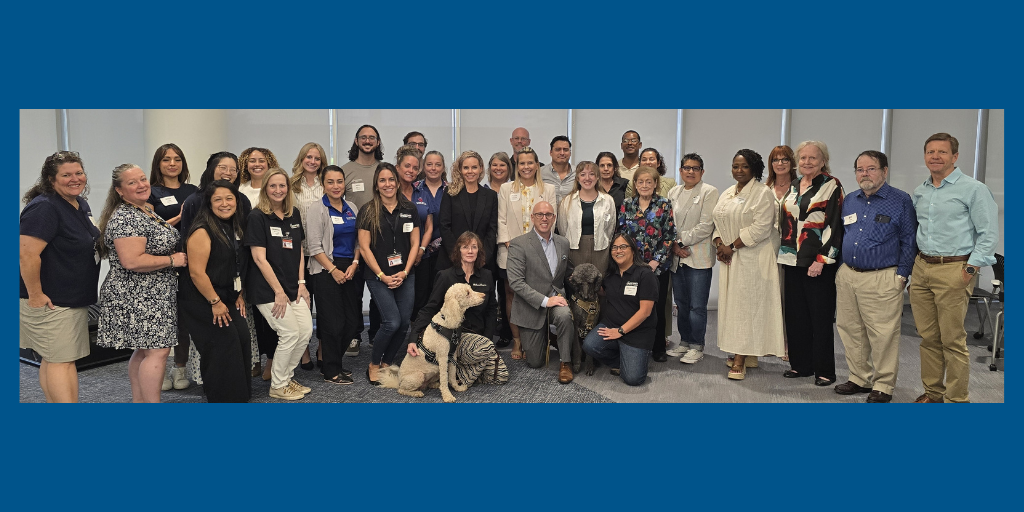
Empowering Organizations and Communities to Serve Veterans and Their Families
Background
This five-part series examines the essential steps our organization, the Center for Military and Veterans Services (the Center), takes to create lasting impact for veterans and their families. In this third article, we shift our focus to capacity building, exploring how the Center serves as a clearinghouse, guiding organizations and communities nationwide to effectively support military veterans and their loved ones.
This article highlights how the Center strengthens nationwide support for veterans by acting as a central clearinghouse. The Center empowers diverse organizations and communities through capacity building, collaborative partnerships, and hands-on facilitation – helping them overcome barriers such as limited resources and knowledge. By prioritizing mission-driven impact over profit, and adapting strategies to fit the unique needs of each partner, the Center ensures coordinated and effective assistance for veterans and their families across the country.
Introduction
With thousands of nonprofits, agencies, employers, educators, faith-based groups, healthcare providers, philanthropists, and individuals striving to assist veterans, the challenge is not a lack of goodwill but a need for coordination and capacity. As the landscape of support grows more complex, we stand out as a vital clearinghouse – helping communities and movements build the infrastructure necessary to serve those who have served our country.
Understanding Our Mission
Our core mission is to ensure that veterans and their families are not just honored in words but are provided with ongoing, practical support. We are a Center and not a consultant. The Center is a resource hub of influence, ideas, and actions building capacity Unlike a consulting company, we serve as a collaborative facilitator rather than an external adviser. We connect organizations directly to resources, expertise, and partnerships, acting as a clearinghouse to guide our partners through the complex world of the veterans space and focus their efforts where they can make the greatest impact.
- Mission-Driven vs. Fee-for-Service: We operate with a nonprofit mission focused on empowering organizations and communities to serve veterans and their families, prioritizing impact over profit. In contrast, consulting companies generally provide advice or services for a fee, with their primary goal being business growth and client satisfaction rather than a broader social mission.
- Collaborative Facilitation vs. External Advising: We act as hands-on facilitators, building long-term partnerships and integrating ourselves into the support networks of our partners. Consulting firms typically engage as external experts, offering recommendations or solutions that organizations implement on their own, rather than becoming an ongoing part of the community’s support structure.
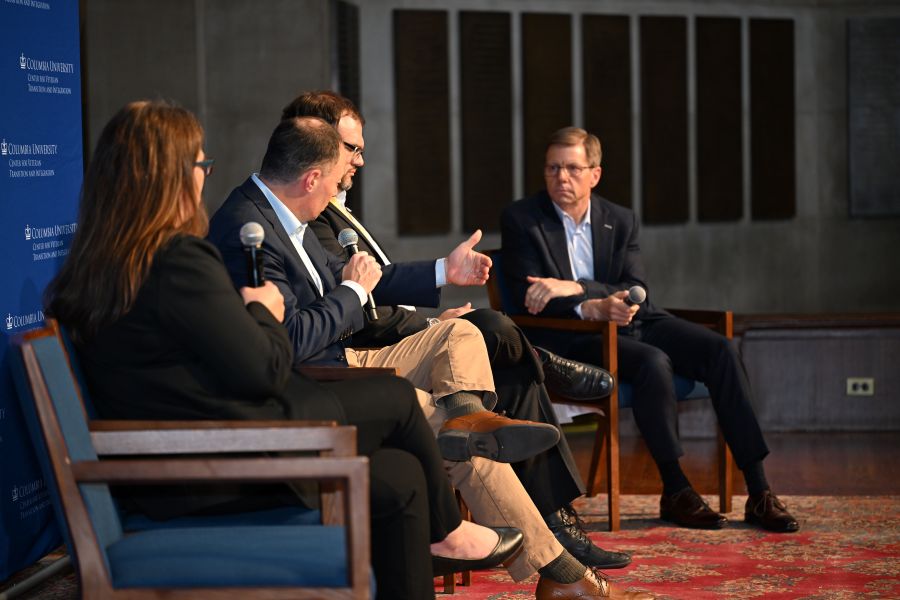
The Center leads a discussion on reducing veteran suicide at Columbia University.
The Need for Capacity Building
Many organizations want to assist veterans but lack the structure, funding, or knowledge to make a sustained impact. Departments and agencies face staff shortages and budget constraints. Nonprofits compete for limited funding. Employers, educators, and wellness providers need guidance to integrate veterans and their families successfully. Faith-based groups and philanthropists often desire to contribute but struggle to identify effective channels. Our capacity-building approach addresses these barriers, enabling our partners to grow, adapt, and deliver stronger support.
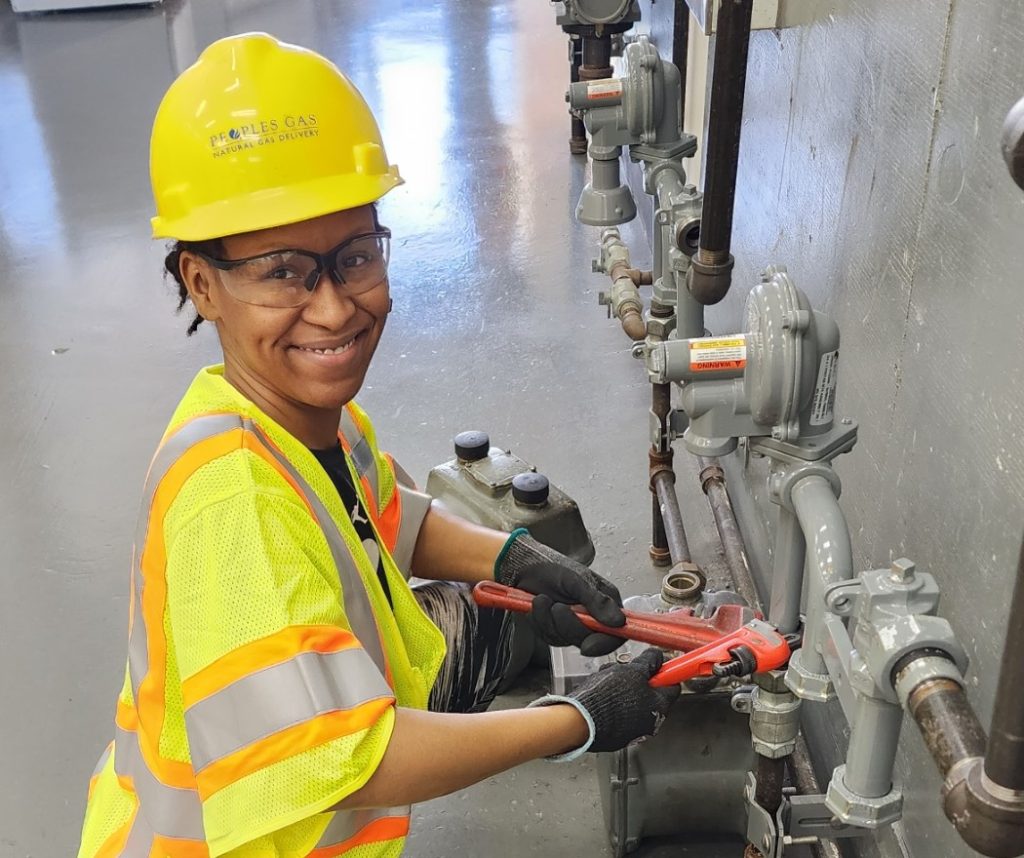
One of the Center’s partnered programs, Utility Workers Military Assistance Program (UMAP) has graduated over 1,000 veterans into guaranteed positions with Peoples’ Gas in Chicago.
Stories of Impact: Capacity-Building Initiatives
Consider a rural town where local leaders, with our guidance, establish telehealth services so veterans can access care without traveling long distances. In an urban setting, we help an agency facing budget shortfalls forge new partnerships and secure funding, keeping doors open for those in need. Faith-based organizations receive education and support from us, enabling them to offer safe spaces and counseling for veterans grappling with moral injury. Community groups overwhelmed by complexity are coached step by step, launching family support networks and job fairs that provide hope and stability. Each story illustrates how our capacity building transforms communities and movements into lasting sources of support.
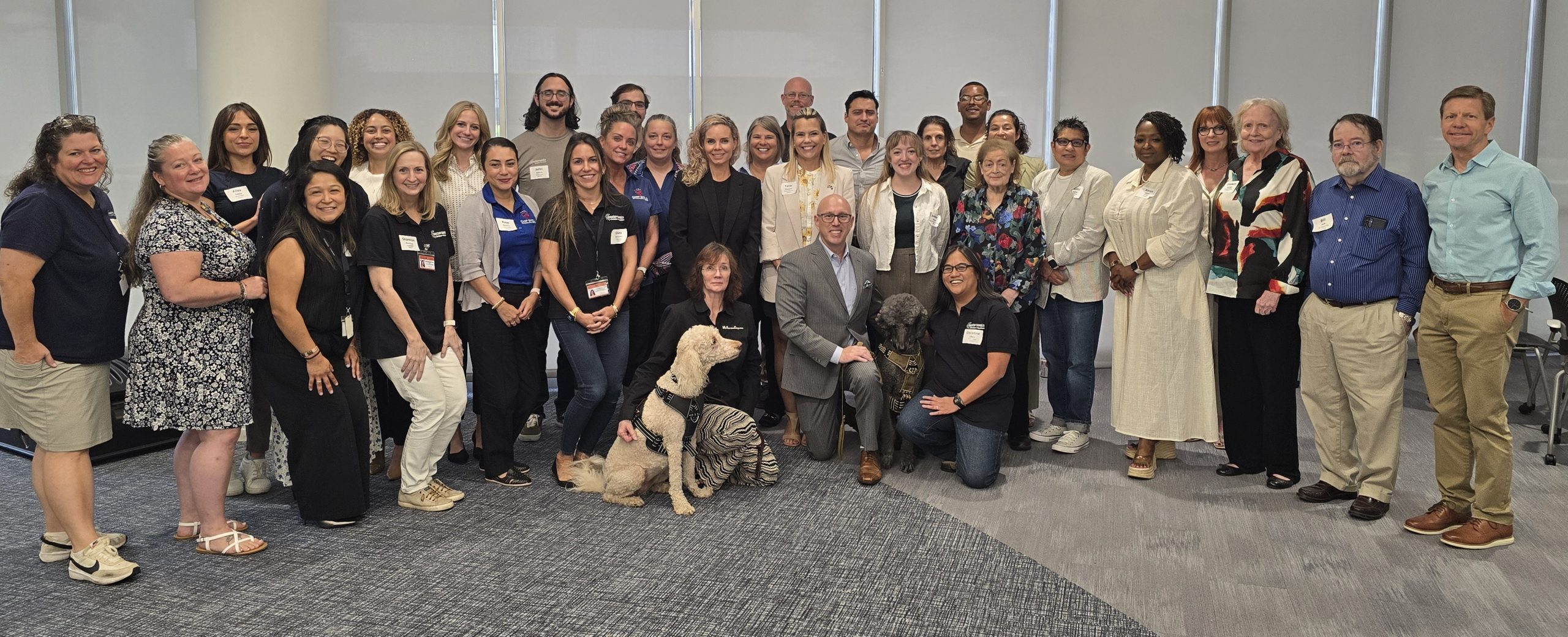
The Center leading a convening sharing best practices and lessons learned with veteran mental health professionals in Houston, TX
Collaborative Approach: Engaging Diverse Partners
We partner with organizations of varying sizes, customizing strategies according to each partner’s specific strengths and challenges. Instead of applying uniform solutions, we carefully listen, assess needs, and offer practical guidance. By linking groups to best practices, funding opportunities, and professional networks, we support our partners in broadening their impact and effectiveness. This approach encourages a culture of inclusion and collective purpose, ensuring coordinated support for veterans and their families.
· Our Commitment: Our guiding principles inform all our capacity-building initiatives.
- We Listen because veterans’ needs are continually evolving and require consistent attention rather than singular intervention.
- We Collaborate with both organizations and individuals, holding that every community group can integrate veterans and their families meaningfully into programming. This collaborative ethos prompts us to create tailored solutions that respect the unique experiences of those we serve.
- We Adapt by acknowledging and valuing the individuality of every veteran, service member, and family member, maintaining flexibility to address their distinct requirements. We Respond proactively, partnering to design and deliver solutions before issues develop into crises.
- We Persevere because supporting veterans and their families is critically important; we are committed to helping them achieve their full potential.
- We are Transparent in all operations, practicing disciplined fiscal management and routinely sharing financial, operational, and impact reports.
· Our Value Proposition: Our commitment is underscored by a distinctive value proposition.
- We maintain reduced overhead by utilizing established systems, processes, and infrastructure provided by our parent organization, The Fedcap Group.
- This operational efficiency accelerates program launch times, facilitating a focused and responsive approach to veterans’ changing needs.
- Rigorous due diligence safeguards reputational integrity for both us and our partners.
- Through increased impact across The Fedcap Group’s agencies and an extensive network of community, regional, and national partners, we ensure our efforts reach those most in need.
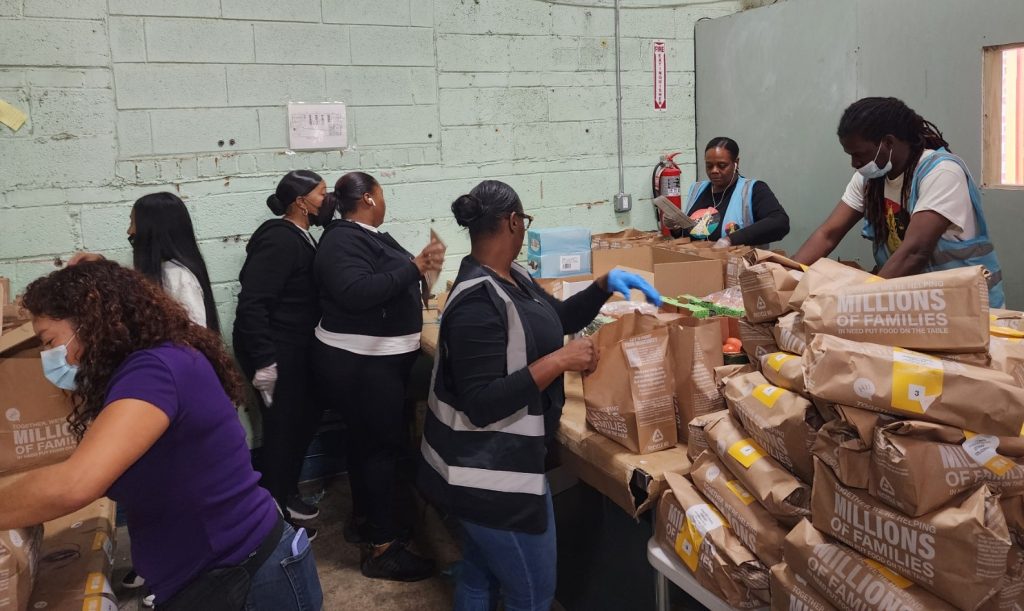
Volunteers from one of the Center’s partnered organizations, Black Veterans for Social Justice, prepare meals for veterans encountering food insecurity in Brooklyn, NY.
Calls to Action: Engaging Organizations and Individuals
To build capacity for veteran support, organizations and individuals can take meaningful steps to get involved and make a difference. The following actions provide clear pathways for engagement with us and our mission.
· Stay Connected and Informed Connect with us through our website, social media channels, and newsletter. By staying informed, you will learn about the latest opportunities, resources, and initiatives designed to support veterans and their families.
· Participate in Learning and Networking Attend webinars, workshops, and community meetings hosted by us. These events offer valuable opportunities to learn best practices, gain new insights, and network with peers who share a commitment to supporting veterans.
· Volunteer Skills and Expertise Offer your talents or professional expertise by volunteering with us to help organize events, mentor veterans, or provide specialized guidance. Your contributions can strengthen programs and directly benefit veterans in need.
· Promote Awareness and Collaboration Share information about our work within your networks. Raising awareness encourages broader collaboration and helps expand the collective impact on veterans and their families.
· Support Capacity-Building Initiatives Consider making a donation or pursuing an organizational partnership with us. These contributions extend the reach of our capacity-building efforts nationwide, ensuring more veterans and families receive the support they deserve.
Conclusion: The Ongoing Importance of Capacity Building
As veterans and their families continue to face evolving challenges, the need for coordinated, empowered support grows more urgent. We at the Center for Military and Veterans Services remain steadfast in our mission, acting as a clearinghouse and facilitator to build capacity nationwide. By fostering collaboration, sharing knowledge, and guiding our partners, we ensure that communities and movements are equipped to serve those who have served us all.
