5 Surprising Things People Don’t Know About Veterans and Military Families – and How the Center is Making a Difference: Unlocking Potential, Meeting Needs, Inspiring Change

5 Surprising Things People Don’t Know About Veterans and Military Families – and How the Center is Making a Difference: Unlocking Potential, Meeting Needs, Inspiring Change

When most Americans think about veterans and their families, images of bravery, sacrifice, and service come to mind. Yet, beyond these admirable qualities, there is a world of untapped potential, evolving needs, and heartfelt desires that often go unnoticed. Understanding these aspects is crucial—not just for advocates and educators, but for every member of a community.

Driven by a purpose to make the lives of veterans and their families better, Dixon Center for Military and Veterans Services (the Center) is committed to illuminating these truths to help transform how America supports its veterans and their loved ones. The Center’s efforts do not just inform—they inspire bold action, empowering individuals, organizations, and entire communities to create lasting change. 

1. Veterans Possess Untapped Potential Beyond the Battlefield

People may assume veterans’ skills are primarily suited for military or security roles, but veterans’ abilities span far wider. Veterans bring leadership, discipline, adaptability, and problem-solving expertise to every sector—education, healthcare, technology, finance, and business. Their experience in overcoming adversity equips them to thrive in dynamic environments and drive innovation. When employers and communities recognize this potential, new opportunities for growth and collaboration are unlocked. 

2. Families of Veterans Have Unique Needs That Differ from Civilian Families

While veteran families share common experiences with civilian families, their lives are shaped by frequent relocations, deployments, and transitions. These circumstances can impact children’s education, spouses’ careers, and overall family stability. Support systems must be tailored to address these challenges, including access to resources for mental health, education, and employment. Awareness of these unique needs ensures families receive the care and understanding they deserve. 

3. Veterans and Their Families Desire Inclusion, Not Just Assistance

Contrary to popular belief being promoted recently, most veterans and their families are not simply seeking handouts or charity—they want to be included, respected, and empowered. Opportunities to contribute, connect, and lead are just as important as financial or medical support. Creating inclusive environments in workplaces, schools, and communities fosters belonging and allows veterans and their families to flourish alongside their neighbors. 

4. Common Misconceptions Often Hinder Support and Engagement

Many misconceptions persist, such as the idea that all veterans struggle with mental health issues or that their families are always in crisis. While some face challenges related to trauma, they and others excel and lead fulfilling lives. These stereotypes can inadvertently isolate veterans and discourage them from seeking help or participating in community activities. Education and honest dialogue help dispel myths and encourage genuine support. 

5. Veterans and Their Families Are Agents of Positive Change

Veterans and their families are not just recipients of support—they are powerful catalysts for community improvement. Their commitment to service does not end with their military careers; they often volunteer, mentor, and lead local initiatives. When given the chance, veterans and their families enrich neighborhoods, schools, and workplaces, creating ripple effects that benefit everyone. 

The Center’s Approach: Informing and Empowering America

The Center recognizes the importance of understanding these often-overlooked truths. Through a range of educational programs, community outreach, and advocacy, the Center bridges gaps between veterans, their families, their communities, and the broader public. Workshops, webinars, and public forums foster awareness, encourage meaningful conversations, and lead to effective solutions. 

Impact Stories: Real-Life Examples of Transformation

Consider the story of a veteran who, using leadership skills to mentor students and colleagues, transitioned from military service to a thriving, fulfilling role in education. Or the family who, with targeted support, overcame relocation challenges and found stability and meaningful connection in a new community. Examples like these highlight the profound impact that understanding, inclusion, and tailored assistance can have on lives.

The Center’s partnerships with schools, employers, and healthcare providers have facilitated countless success stories. By providing resources, training, and advocacy, the Center ensures veterans and their families are not just supported—they are celebrated for their contributions and empowered to reach their full potential. 

Conclusion: A Call to Action for Public Awareness

Recognizing the potential, needs, and desires of veterans and their families is more than an act of gratitude—it is a responsibility that belongs to all of us. The Center invites you to join our mission: learn, share, and advocate for a more informed and inclusive America. Whether you are an educator, employer, or community member, your awareness and action can make a profound difference. Together, we can unlock the power of veterans and their families, ensuring they continue to enrich the nation they so bravely and honorably served.

Is It Time to Reframe our Approach to Veteran Suicide Prevention?

Is It Time to Reframe our Approach to Veteran Suicide Prevention?

Why Transforming Our Approach to Veteran Well-Being Must Address Loneliness & Isolation

Introduction

Veteran suicide is not a new epidemic. That said, is it time to reframe our approach to veteran suicide prevention? In this week’s Bugler, Dixon Center for Military and Veterans Services (the Center) highlights the power of social connection, the importance of peer networks, and the value of community-based capacity in combating loneliness and isolation.

We recognize that isolation and disconnection experienced by those who served often shows up quietly and without warning – with one’s sense of belonging and identity having been so strongly influenced by his or her military service that the absence of military life now leaves a significant void.

Building on the conversation started in our last piece (The Power of Data and Community: Responding to the VA’s 2025 National Veteran Suicide Prevention Annual Report), today’s blog further examines the Department of Veterans Affairs (VA) National Veteran Suicide Prevention Annual Report and explores the issue of isolation and disconnection among veterans.
Providing timely insights into the ongoing struggle to reduce suicide rates among veterans, the newly released report presents sobering data and leads us to essential questions, including:

  • Are we framing prevention correctly?
  • And, instead of focusing only on why are veterans dying by suicide, could shifting our attention to how can we prevent loneliness and isolation among veterans lead us to better solutions?
  • Finally, could we help those who served heal by first recognizing that a veteran having been “shaken to the core by war” (as we wrote in a 2013 op-ed for The Philadelphia Inquirer titled Unseen Woundsis experiencing a “deeply human reaction”?
Key Findings from the 2025 National Veteran Suicide Prevention Annual Report

Relying on national mortality statistics and highlighting important trends, risk factors, and areas needing intervention, the report delivers a thorough review of veteran suicide. Although the numbers are concerning, they shed light on patterns that can help inform effective suicide prevention strategies.

  • Number of Suicides: In 2023, thousands of veterans died by suicide — a rate notably higher than the general population. Though there was a minor decrease compared to previous years, the numbers remain strikingly high.
  • Demographic Breakdown: Suicide rates differ substantially across age, gender, race, and service era. Middle-aged and older male veterans represent the largest share of suicides, though younger veterans and female veterans also face risks, with some groups experiencing rising rates.
  • Trends Over Time: Despite extensive suicide prevention efforts, suicide rates among veterans have stayed consistently high over the past decade. Certain subgroups have seen slight improvements, while others — especially those facing socioeconomic challenges — have not.
  • Risk Factors: The report highlights chronic pain, homelessness, substance use disorder, financial instability, and lack of engagement with VA healthcare as major risk factors. Veterans not using VA services are at greater risk, further emphasizing the need for outreach and engagement.

Collectively, these findings reveal a complex reality shaped by varied life experiences, health concerns, and societal obstacles. 

Traditional Framing: The Limitations of “Why Are Veterans Killing Themselves?”

For many years, the main question guiding veteran suicide prevention efforts has been, “Why are veterans killing themselves?” This perspective has produced valuable research into trauma, mental illness, and the long-term impacts of military service. It has also spurred efforts to improve access to mental healthcare, screen for depression and PTSD, and address clinical symptoms leading up to suicide.

However, this approach has drawbacks. Focusing on individual pathology and crisis points can overlook broader social and environmental contributors to suicide risk. It might reinforce stigma, making veterans feel blamed or judged for their struggles. Importantly, it can neglect systemic issues — such as loneliness, social isolation, and lack of community — that increasingly are seen as significant drivers of suicide.

Reframing the Question: “How Do We Prevent Loneliness and Isolation Among Veterans?”

American Legion Magazine (February 2026) featured Alan Greenblatt’s article, The Invisible Epidemic, which argues that despite living in a hyperconnected world, many people feel more isolated than ever. Growing evidence indicates that rethinking our central question could yield transformative results. Instead of asking “why?”, we might ask, “How can we stop loneliness and isolation among veterans?” This shift moves the focus from individual shortcomings to collective action and from crisis response to proactive relationship-building.

Loneliness and social isolation are now recognized as strong suicide risk factors — not just for veterans, but for everyone. For those who served, leaving behind military camaraderie, structure, and shared purpose can be deeply unsettling. Veterans may become disconnected from family, friends, and community, especially when struggling with physical or mental health problems.

By centering our prevention efforts on loneliness and isolation, we expand the range of possible solutions. We invite communities, organizations, and individuals to take part in fostering connection and belonging.

The Role of Loneliness and Isolation: Evidence and Impact

Research consistently shows a link between loneliness and increased suicide risk, while social support offers protection. Veterans transitioning to civilian life often grapple with losing their identity, difficulty finding meaningful work, and barriers to care — all intensified if a veteran lacks strong social networks.

Studies indicate that isolated veterans are more likely to suffer from depression, substance use disorder, and suicidal thoughts. The loss of military bonds — the so-called “battle buddy” effect — can leave veterans feeling aimless. Older veterans may face additional vulnerability due to retirement, declining health, and loss of peers.

Crucially, loneliness isn’t just an emotion — it’s a measurable risk factor. Tackling it can bring real, positive changes to mental health outcomes.

Potential Impact of Addressing Loneliness: Community, Connection, and Support Networks

If we prioritize efforts to prevent loneliness, what might change? Suicide prevention would become a community-wide responsibility, not just for mental health professionals. Faith groups, Veterans Service Organizations, employers, and local governments could all contribute to creating inclusive spaces for veterans.

Programs supporting peer mentoring and group activities show promise. Examples include veteran coffee clubs, volunteer opportunities, and recreational groups, which help rebuild camaraderie lost after service. Technology can also play a role — virtual support groups and online communities offer connection for those far away.

Furthermore, targeted outreach to at-risk veterans who are homeless, unemployed/underemployed, overmedicated or self-medicating, or living alone — helps ensure no one is forgotten. The aim isn’t just to treat mental illness but to provide belonging, purpose, and hope.

Current Initiatives and Gaps: What Is Being Done, and Where More Focus Is Needed

The VA and several nonprofits have launched initiatives to reduce suicide. These efforts include crisis hotlines, mental health clinics, outreach, and research into risk factors. The VA’s “Be There” campaign, for instance, urges communities to support veterans through everyday actions.

Despite these advances, big gaps persist. Many veterans aren’t aware of available resources or face hurdles accessing care — like stigma, distance, or transportation issues. Programs targeting loneliness and isolation are newer and less funded than clinical interventions.

Some high-risk groups — such as women veterans, LGBTQ+ veterans, and those with multiple deployments — remain underserved. Closing these gaps requires focused outreach and culturally sensitive programs.

The Center Recommendations and Activities: Practical Ideas for Preventing Veteran Loneliness and Isolation

To achieve meaningful progress, the Center is broadening its focus on veteran and military family well-being to include strategies that foster social connection. Here are practical recommendations taken with policymakers, communities, and individuals:

  1. Investing in Peer Support Programs: Expanding and funding initiatives that connect veterans, both in person and online. Peer mentors help new veterans adjust to civilian life and offer support.
  2. Encouraging Community Involvement: Local groups, businesses, and faith organizations actively invite veterans to join social, recreational, and volunteer activities. Reducing isolation starts with welcoming participation.
  3. Increasing Outreach to Vulnerable Groups: Targeted efforts with organizations focus on reaching homeless veterans, those with disabilities, and at-risk individuals who may feel most isolated. Mobile outreach teams, community health workers, and partnerships with shelters help bridge the gap.
  4. Integrating Loneliness Screening into Healthcare: Primary care providers and clinics are encouraged to routinely assess social isolation and loneliness, referring veterans to needed support services.
  5. Promoting Public Awareness: Collaborations with organizations such as Angel Force USAengaging local media, and leveraging digital tools, including the Center’s podcast (Service Before Self— highlight the significance of social connections for improving mental health, combating stigma, and urging families and friends to check on veterans.
  6. Supporting Research and Innovation: Working with think tanks and reassessing how the Center shares resources help fund studies exploring effective ways to build connections and reduce isolation, including technological and community-based approaches.
  7. Encouraging Feherty’s Troops First Foundation’s initiative Warrior Call: This nationwide effort aims to strengthen connectivity among servicemembers and veterans, encouraging them to reach out and prevent suicide by connecting with one another.

Individuals can also help. Simple gestures — reaching out to a veteran, offering a ride, and simply listening — can powerfully prevent loneliness. Everyone has a role in building a more connected society.

Conclusion: Reflecting on the Importance of Reframing the Conversation

The 2025 National Veteran Suicide Prevention Annual Report reminds us that the issue of veteran suicide is complex and persistent. While understanding why veterans die by suicide matters, it’s equally vital to consider how we can create environments where veterans feel valued, supported, and connected.

Reframing our central question to emphasize preventing loneliness and isolation provides a compassionate and inclusive path forward, rooted in community. Broadening our view and adopting proactive solutions enables us to honor veterans’ service with meaningful action. The journey to reducing suicide rates is lengthy, but together, we can create a future where every veteran finds the connection, support, and hope they deserve.

The Power of Data and Community: Responding to the VA’s 2025 National Veteran Suicide Prevention Annual Report

The Power of Data and Community: Responding to the VA’s 2025 National Veteran Suicide Prevention Annual Report

How the Center Builds Awareness, Mobilizes Communities, and Fosters Hope

Introduction: The Importance of the VA Suicide Prevention Report


Each year, the Department of Veterans Affairs (VA) releases the National Veteran Suicide Prevention Annual Report. The largest national analysis of veteran suicide rates each year, the VA’s findings provide vital data, insights, and direction for those working to support America’s veterans.

The 2025 report is based on national death certificate data currently available through 2023. It is more than just a collection of numbers; it is a call to action for organizations, families, and communities. At Dixon Center for Military and Veterans Services (the Center), we recognize the profound significance of this report. It both shapes our mission and strengthens our resolve to prevent veteran suicide, advocate for those at risk, and foster hope in every corner of our nation.

Key Findings from the 2025 Report: Understanding the Risks and Trends


The VA’s 2025 report presents a sobering yet essential snapshot of the state of veteran suicide across the United States. Data shows that, despite ongoing prevention efforts, suicide remains a leading cause of death among veterans. The report highlights several critical points:

  • Suicide Rates: The suicide rate among veterans continues to exceed that of the non-veteran population, especially among younger veterans and those who have recently transitioned from military service.
  • Risk Factors: Contributing factors include mental health conditions such as depression, substance use, chronic pain, social wellbeing, and challenges related to gut-wrenching isolation in civilian life.
  • Trends: While some age groups have seen modest declines, others – particularly veterans aged 18-34 – remain at elevated risk. The report also notes disparities based on gender, ethnicity, and geographic location.
  • Access to Care: Veterans who are not engaged in VA services or community-based support are disproportionately represented in suicide statistics, revealing possible ongoing barriers to care.

These findings underscore the urgent need for targeted, compassionate, and community-driven responses to veteran death by suicide.

Implications for the Center: Shaping Our Mission and Priorities


For the Center, the 2025 VA report is both a guide and a challenge. It validates our efforts and clarifies the areas on which we must focus our resources. The data tells us that our work is far from finished, and the need for accessible, stigma-free support is greater than ever. We are reminded that every statistic represents a life – a veteran, a family, a story worth saving.

In response, the Center is doubling down on its objective to ensure veterans and their families have the tools, resources, and community connections necessary to thrive. The report informs our strategic priorities, as we work with organizations and communities to expand outreach to at-risk groups, foster early intervention, and advocate for policy and practice changes that remove barriers to care.

Building Public Awareness: Outreach and Education at the Center


One of the most powerful weapons against suicide is awareness. At the Center, we are committed to building capacity at the local level and making information accessible and actionable for veterans, their families, and the wider community. Through workshops, webinars, and social media campaigns, we share facts about suicide risk and prevention, dispel myths, and connect individuals to life-saving resources.

We prioritize education efforts that highlight the warning signs of suicide, the importance of emotional and social wellbeing, and the role of community in supporting veterans. By partnering with organizations like Angel Force USA, engaging local media, and leveraging digital tools, including the Center’s podcast (Service Before Self), we amplify our message: suicide is preventable, and help is available.

Encouraging Community Involvement: Mobilizing Local Support and Engagement


Veteran suicide prevention is not the responsibility of any one organization – it is a community imperative. The Center actively works to engage local leaders, faith-based communities, schools, and businesses in the fight against veteran suicide. We train volunteers, facilitate support groups, and encourage peer-to-peer initiatives that build trust and resilience.

Informed by the Center’s belief that when communities are informed and empowered, they become lifelines for veterans in crisis, our strategies include hosting community forums, providing toolkits for local advocates, and collaborating with trusted grassroots organizations.

Collaboration with Community-Based Services: Partnerships That Save Lives


No single entity can address the complexity of veteran suicide alone. The Center is proud to collaborate with a network of community-based services – mental health providers, crisis hotlines, housing agencies, and employment services – to create a holistic safety net for veterans based on the eight dimensions of wellness. These partnerships allow us to coordinate care, share best practices, and help organizations reach veterans who might otherwise fall through the cracks.

Together, we are building sustainable systems of support that extend beyond emergency intervention. Our joint initiatives promote long-term wellness, reintegration, and hope, as we recognize that real healing occurs most effectively within trusted relationships and strong communities.

Conclusion: A Call to Action and a Message of Hope


The VA’s 2025 National Veteran Suicide Prevention Annual Report is a stark reminder of the important work that remains. At the Center, we answer this call with empathy, determination, and optimism. We invite all of you – organizations, individuals, communities, movements, friends and families, and advocates – to join us in the fight to provide meaningful support to veterans.

If you are a veteran in need, or someone who wants to make a difference, know that you are not alone. Every life saved is a victory for us all, and together, with data to guide us and community to sustain us, we can move closer to a future where every veteran finds hope, help, and belonging.

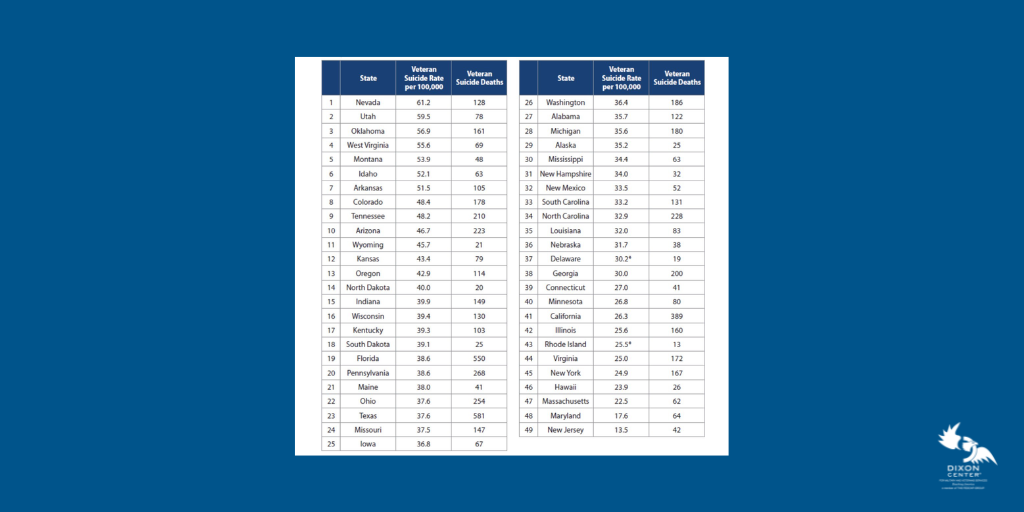
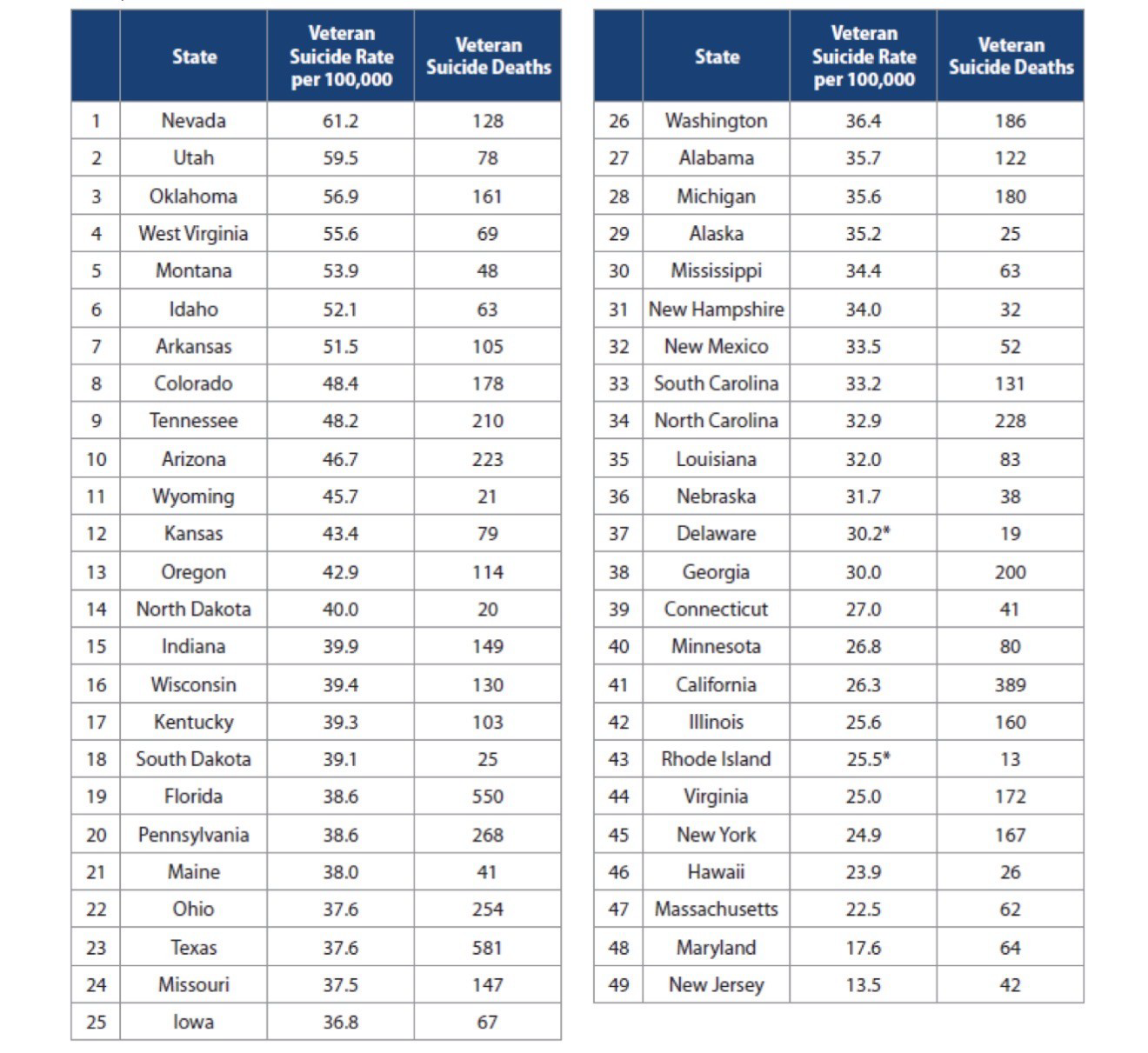
Suicide Rate per 100,000, Veterans, by State, From Highest to Lowest Rate, 2023 
https://www.mentalhealth.va.gov/docs/data-sheets/2025/2025_National_Veteran_Suicide_Prevention_Annual_Report_PART_2_FINAL.pdf

The Impact of Artificial Intelligence on Organizations Serving U.S. Military Veterans and Their Families

The Impact of Artificial Intelligence on Organizations Serving U.S. Military Veterans and Their Families

How AI is Transforming Think Tanks, Thought Leadership, Resource Centers, and Direct Service Providers


Artificial intelligence (AI) is rapidly transforming many sectors, and organizations dedicated to serving United States military veterans and their families are no exception. As these organizations strive to support a community facing unique challenges – ranging from healthcare and employment to education and social reintegration – AI plays an increasingly pivotal role in how they operate, innovate, and deliver services. This section explores the profound impact AI is having on think tanks, thought leadership, resource centers, and direct service providers focused on veterans and their families.

Dixon Center for Military and Veterans Services (the Center) is at the forefront of harnessing AI by combining its strong leadership, technical expertise, and expansive national network. Recognizing the transformative power of AI, the Center’s leaders are championing initiatives that integrate advanced technologies into their programs, ensuring veterans and their families benefit from the most innovative solutions available. Their technical teams are actively exploring and implementing AI-driven tools for data analysis, program evaluation, and resource allocation, enhancing their capacity to understand and address the evolving needs of the veteran community.

Strategic partnerships are central to the Center’s approach, and collaborations with organizations like AlphaROC exemplify this commitment and are critical to the Center’s business development lead by our president, Duncan Milne. By joining forces with organizations like AlphaROC the Center leverages cutting-edge AI solutions in areas such as predictive analytics, personalized outreach, and process automation. These partnerships not only expand the Center’s technological capabilities but also foster a collaborative ecosystem where expertise and resources are shared across organizations, ultimately amplifying the impact and reach of services provided to veterans and their families.

Revolutionizing Think Tanks and Research: Think tanks devoted to veterans’ issues have traditionally relied on manual research, surveys, and expert analysis to shape policy recommendations and public discourse. With AI, these organizations are now harnessing vast amounts of data from government sources, academic research, and social media to better understand the evolving needs of veterans.

Natural language processing (NLP) enables think tanks to analyze policy documents, legislative texts, and online conversations at scale. Machine learning algorithms identify patterns and emerging trends – such as shifts in mental health concerns or barriers to accessing benefits – allowing for timelier and evidence-based policy recommendations. AI-driven data visualization tools help researchers communicate complex findings in ways that are accessible to policymakers, the media, and the public, amplifying the impact of their insights.

Enhancing Thought Leadership and Advocacy: Thought leaders in the veteran support space are leveraging AI to become more effective advocates and influencers. AI-powered analytics track public sentiment, media coverage, and legislative developments, enabling leaders to tailor their messaging and advocacy strategies in real time.

Content generation tools, such as generative AI language models, help organizations quickly draft policy briefs, op-eds, and educational materials, allowing them to respond rapidly to current events affecting veterans. AI can also personalize communication with stakeholders, donors, and the veteran community – ensuring that outreach is relevant, timely, and impactful.

Empowering Resource Centers and Information Hubs: Resource centers and information hubs serve as critical bridges between veterans, their families, and the services they need. AI is making these platforms smarter and more responsive. Chatbots and virtual assistants, powered by AI, can answer frequently asked questions, help veterans navigate complex benefits systems, and direct them to appropriate resources 24/7.

Search functions have become more intuitive, thanks to AI-driven semantic search, allowing users to find information even if they are unsure of the exact terminology. Predictive analytics help resource centers anticipate the needs of veterans, proactively offering guidance on issues like healthcare enrollment, housing assistance, or career development.

Transforming Direct Service Provision: Direct service providers -including healthcare organizations, employment agencies, and counseling centers – are perhaps witnessing the most tangible benefits of AI. In healthcare, AI is used to analyze electronic health records and screen for conditions affecting wellbeing such as emotions, traumatic brain injury, or burn pit and toxic exposure, leading to earlier interventions and improved outcomes.

Employment and training programs use AI to match veterans with job opportunities that align with their skills, experience, and preferences. Resume scanning and interview preparation tools help veterans present themselves more effectively to civilian employers. AI-powered mental health platforms offer confidential support, crisis intervention, and ongoing therapy, breaking down barriers to care for veterans who may be reluctant to seek help.

Challenges and Ethical Considerations: Despite these advances, the integration of AI is not without challenges. Concerns around data privacy, algorithmic bias, and transparency are especially acute when dealing with sensitive populations like veterans. Organizations must work diligently to ensure that AI systems are developed and deployed ethically, with input from veterans themselves to avoid unintended consequences.

There is also a digital divide to consider – not all veterans or their families have equal access to technology, which can exacerbate disparities if not addressed. Training staff and users to understand and trust AI tools is essential for their successful adoption.

Looking Ahead: The impact of AI on organizations serving or seeking to serve U.S. military veterans and their families is substantial and growing. By automating routine tasks, uncovering new insights, and personalizing support, the Center is embracing AI and empowering these organizations to serve veterans more effectively and efficiently. As technology continues to evolve, the Center believes the most successful organizations will be those that combine AI’s capabilities with genuine human empathy and understanding, ensuring no veteran or family member is left behind in the digital age. 

Top 10 Reasons Why the Center’s FAQs are Essential for Stakeholder Trust and Maximized Resource Impact

Top 10 Reasons Why the Center’s FAQs are Essential for Stakeholder Trust and Maximized Resource Impact

Introduction

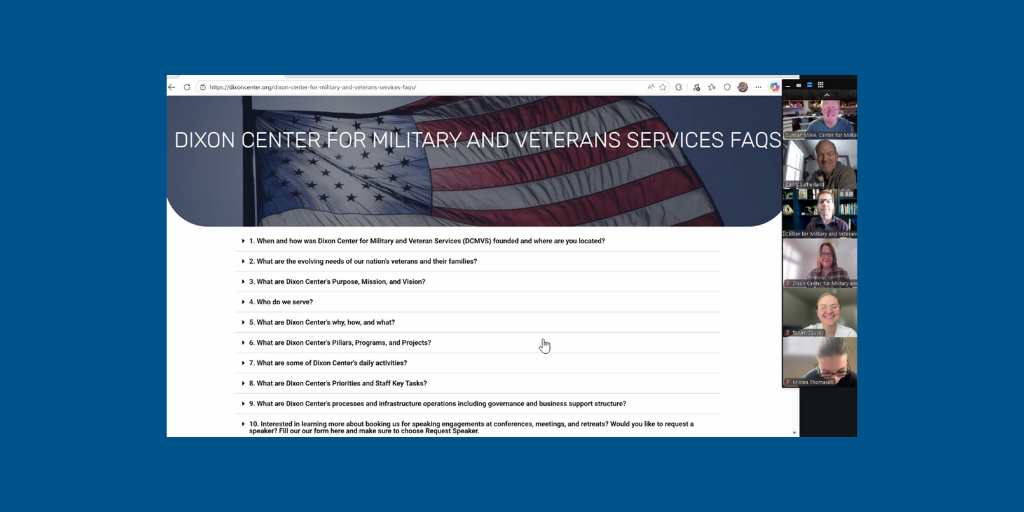
In a world inundated with information, clarity and transparency are paramount – especially for organizations serving those who have sacrificed for their nation. Dixon Center for Military and Veterans Services (the Center) stands as a beacon for community supporters seeking guidance and support to make the lives of veterans and their families better. At the heart of this mission lies a seemingly simple yet profoundly impactful tool: the Frequently Asked Questions (FAQs) section of the Center’s website.

But why are the Center’s FAQs so vital to transparency and content? This blog explores the top 10 reasons, demonstrating that robust FAQs are much more than a convenience – they are foundational to trust, clarity, and engagement.

The Center’s FAQs: Overview

The Center’s FAQ page provides straightforward answers about its mission, operations, donations, and reporting, including sections on general queries and impact.

Operations

Founded in 2012 with Department of Defense support, the Center serves U.S. veterans and families by building capacity with employment, wellness, housing, and social engagement initiatives. It works through partnerships and three main pillars: work with purpose, heal with honor, and live with hope. Governance is overseen by a Command Council and The Fedcap Group’s Board of Directors.

Donations

The Center supports many giving options, including vehicles and planned donations. Donations can be made online, by mail, or via various platforms, with prompt receipts and 88% going to programs.

Impact & Evaluation

Rather than counting individuals served, the Center measures success by organizational capacity and community connections, tracking outputs like workshops delivered to maximize resource impact.

Top 10 Reasons Why the Center’s FAQs Are Essential

  • FAQs Promote Clear Communication: The Center’s FAQs distill complex information into accessible answers, helping organizations, individuals, communities, movements, and general supporters navigate resources without ambiguity. In an environment where programs and services can be confusing, having clear, well-structured FAQs ensures that all parties can access the information they need without misunderstanding. This clarity is a core component of transparent communication and content.
  • FAQs Enhance the Center’s Organizational Transparency: Transparency is about openness – sharing how things work, what to expect, and where to turn for help. The Center’s FAQs answer common questions about processes, history, governance, and services, demystifying organizational operations. By making information public and easily accessible, the Center demonstrates its commitment to honesty and accountability, reinforcing public trust.
  • FAQs Address Common Concerns Proactively: Organizations and individuals often share similar questions and concerns, from navigating ways to find those they want to include to understanding how to encourage involvement. By curating a comprehensive FAQ section, the Center anticipates and addresses these concerns proactively. This not only saves time for those seeking solutions but also shows a deep understanding of the community’s needs – a hallmark of transparent, responsive content.
  • FAQs Reduce Misinformation and Confusion: In the absence of clear answers, rumors and misconceptions can take root. The Center’s FAQs serve as an authoritative source, dispelling myths and clarifying policies. This reduces confusion and ensures that all stakeholders – veterans, families, and partner organizations – are on the same page. Accurate, accessible information is essential for making informed decisions and building trust.
  • FAQs Foster a Culture of Inclusion and Accessibility: Not everyone has the time or ability to call or visit with the Center virtually or in person. An accessible, up-to-date FAQ page democratizes information, ensuring that all users – regardless of location or schedule – can readily find answers. This inclusivity is a cornerstone of both transparency (everyone gets the same information) and content quality (content is available to all).
  • FAQs Enable Efficient Resource Allocation: When commonly asked questions are answered online, the Center’s staff can focus their efforts on complex or unique cases rather than answering the same questions repeatedly. This efficiency benefits both the organization and its stakeholders: organizations and donors get more efficient service, and the Center can dedicate resources to improving other important areas. Transparent content leads to better internal and external outcomes.
  • FAQs Build Stakeholder Trust: Trust is the foundation of any relationship, especially between resource hubs and their communities. By providing comprehensive, honest answers to tough questions – such as operations, funding, and program limitations – the Center demonstrates respect for its users. Transparent FAQs assure stakeholders that the organization has nothing to hide, reinforcing credibility and loyalty.
  • FAQs Support Consistent Messaging: Disseminating information through multiple channels can sometimes lead to inconsistent messaging. The Center’s FAQ section serves as a centralized, official source of truth. Staff, volunteers, and community partners can all refer to the same content, ensuring that each audience communicates with a single voice. This consistency is crucial for transparency and for upholding the integrity of the Center’s content.
  • FAQs Encourage Continuous Improvement: An effective FAQ section is not static – it evolves as new questions arise and services change. By regularly updating FAQs based on feedback and emerging needs, the Center signals its commitment to continuous improvement. This cycle of listening, updating, and communicating transparently demonstrates an organization’s dedication to serving its community with relevance and accuracy.
  • FAQs Empower Veterans and Families to Be Informed Advocates: Knowledge is power. When veterans and their families have immediate access to accurate, thorough answers, they are better equipped to advocate for themselves and others. This empowerment not only benefits individuals but strengthens the entire community. Transparent content in the FAQs turns passive information seekers into active, informed stakeholders – multiplying the positive impact of the Center.

Conclusion

The importance of the Center’s FAQs extends far beyond simple convenience. These carefully curated answers are a linchpin for transparency, ensuring that all stakeholders have equal access to accurate information. By proactively addressing concerns, dispelling myths, and promoting accessibility, the Center builds trust and fosters a culture of openness. Moreover, the FAQs streamline organizational processes, enable consistency, and empower users – demonstrating a commitment to continuous improvement and service excellence.

In a rapidly changing world, the Center’s FAQs exemplify innovative solutions for nonprofit and service organizations. They are a testament to the power of clear, honest communication and the vital role that thoughtful content plays in connecting, educating, and uplifting those who serve and those who support them. For stakeholders, and all who champion a common cause, the FAQs are not just a trusted resource – they are a promise of transparency, care, and enduring partnership.

The Center Charts Path Forward with Updated Three-Year Strategic Plan

The Center Charts Path Forward with Updated Three-Year Strategic Plan

Summary

Dixon Center for Military and Veterans Services (the Center) just published an updated Three-Year Strategic Plan for Fiscal Years 2026–2028, designed to enhance the wellbeing of veterans and their families through our work with organizations, donors, and communities nationwide. This strategic roadmap emphasizes critical thinking, adaptability, and collaboration with partners to effectively address evolving needs in veteran support.

Key focus areas include strengthening organizational governance, securing sustainable funding, expanding targeted outreach, and driving systemic change. With a renewed focus on broadening the Center’s reach and impact, tactics outlined in the plan will ensure veterans receive comprehensive, community-based support while positioning the Center as a top resource.

Announcing the Center’s Updated Three-Year Strategic Plan

The Center has completed a comprehensive rewrite of our Three-Year Strategic Plan for Fiscal Years 2026–2028. This renewed strategic roadmap is the culmination of months of thoughtful input from our team and stakeholders, marking a pivotal moment as we further our mission of empowering veterans and their families. We are excited to share this significant news with our valued supporters, partners, and the entire veteran support community.

Upon finalizing our Three-Year Strategic Plan and priorities, our team begins the new year with a clear focus on enhancing the wellbeing of veterans and their families through partnerships with organizations, donors, and communities across the nation. Supported by The Fedcap Group, our strategy for the coming years centers on closing critical gaps in veteran support by fostering collaboration, encouraging resource sharing, and promoting innovation.

In the January 20, 2026, issue of The Bugler, we shared news of a major milestone: the launch of our FY26–FY28 Roadmap to Impact, Growth, and Sustainability. The Roadmap outlines a multi-year approach to building a stronger, more resilient organization—one that sharpens governance, diversifies revenue, and uses targeted outreach to extend our reach and deepen our impact for veterans and their families.

A Focus on Critical Thinking and Adaptability

The key to our approach lies in focusing the team on how to think, not necessarily what to think. As we embark on this new chapter, guided by our updated Three-Year Strategic Plan, it is essential to approach every initiative with a mindset rooted in critical thinking and adaptability. The rapidly evolving landscape of veteran services demands that we consistently evaluate our programs and business development strategies, anticipate changes, and respond proactively to emerging needs. By cultivating a culture of critical analysis and remaining nimble, we can adeptly identify new opportunities, address unforeseen challenges, and ensure that our efforts remain relevant and impactful for the communities we serve.

A Vision for National Leadership

The Center’s updated strategic plan sets forth a bold vision: to become the nation’s leading resource for integrating veterans and their families into thriving communities. Guided by this noble ambition, the plan details our mission, addresses sector challenges, and lays out strategic goals and actionable initiatives that will drive our impact, growth, and sustainability over the next three years.

Key Highlights of the New Plan
  • Expansion of Community-Based Support: We will grow our network through strategic partnerships and capacity building, ensuring veterans and military families receive the comprehensive support they deserve.
  • Stronger Leadership & Technical Assistance: By investing in our organizational leadership and providing enhanced technical guidance, we will bolster the effectiveness of partner organizations nationwide.
  • Driving Systems Change: Our efforts will focus on aligning policies and driving systemic change to close service gaps and promote holistic support for veterans and their families.
  • Financial Sustainability: The plan introduces diversified funding strategies, including the launch of an innovative fee-for-service initiative, to ensure our long-term mission is well-supported.
  • Rebranding Initiative: We are embarking on a rebranding effort to better reflect our national mission and collaborative approach, strengthening our identity, expanding our outreach, and ultimately growing our impact.
  • Structured Implementation Timeline: The plan includes a detailed timeline with clear milestones for outreach, program development, rebranding, and ongoing impact assessment.
Your Voice Matters

As we share this updated strategic plan, we thank our partners, supporters, and community members—because your insights have helped shape this intentional direction. Your continued support and engagement are critical as we move forward. Together, we will ensure that the Center continues to lead the way in creating lasting, transformative change for those who have served our nation.

The Center’s Approach to Reporting Impact and Evaluation

The Center’s Approach to Reporting Impact and Evaluation

Be on the lookout for our Chair’s Annual Report
 

Summary


Dixon Center for Military and Veterans Services (the Center) functions as a collaborative hub, empowering organizations to integrate veterans into existing programs and strengthening community connections for veterans and military families. Rather than providing direct services, the Center’s primary role is to support those who already serve veterans and military families. This strategic approach leverages partnerships and focuses on qualitative outcomes, such as increasing veterans’ confidence and sense of belonging. While the Center faces unique challenges in measuring its impact – largely because of its indirect role and limited resources – it prioritizes qualitative assessments. Quantitative data is tracked only when necessary for accountability purposes.
 

Annual Reporting Approach: 2025 and Beyond


Starting in 2025, the Center adopted a streamlined approach to annual reporting to improve transparency and engagement with stakeholders. Rather than preparing a lengthy year-end report, on January 13, 2026, the Center will issue a single, comprehensive Chair’s Annual Report. This deliberate new approach not only optimizes communication but also strengthens the Center’s commitment to accountability and continual improvement.

This document synthesizes information from 56 weekly eNewsletters (the Center’s Bugler) published throughout the year, each of which sequentially reports completed activities. Only finalized projects and initiatives are included, ensuring accurate and timely communication – ongoing operations and preliminary updates are intentionally excluded.

The Chair’s Annual Report, compiled and published by our Center’s chairperson at year-end, serves as the official record and summary. Its structure is based on a logic model framework, which organizes the Center’s work around three core priorities: support, growth, and profitability. These priorities guide annual goals and shape every aspect of the Center’s operations. The logic model starts with inputs, such as donor funding, staff expertise, and volunteer involvement, and continues with a detailed account of activities, outreach efforts, and special events conducted during the year.

Outputs are clearly identified in the report, highlighting tangible results such as the number of workshops delivered, organizations served, and resources distributed. The report also addresses short-term outcomes, like increased organizational capacity and improved service delivery, as well as long-term outcomes focused on sustained community impact and veteran empowerment. By linking each component to specific priorities, the Center ensures that its reporting process is aligned with its mission and remains meaningful for all stakeholders.
 

Mission and Collaborative Role


The Center is purposefully designed to foster collaboration, emphasizing the empowerment of organizations and the development of strong community ties for veterans. Its strategy does not involve the direct provision of services; instead, the Center supports those who serve veterans by sharing ideas, encouraging advocacy, and enhancing existing programs. By convening stakeholders and promoting action, the Center aims to maximize its influence without creating new standalone initiatives.
 

Measuring Impact: Challenges and Approach


Evaluating the Center’s impact presents unique challenges. Since its work is primarily indirect, outcomes are difficult to measure due to intangible results, the influence of multiple factors, and the long-term nature of social change. Additionally, constraints such as limited staffing, funding, and data collection capabilities restrict the possibility of conducting large-scale evaluations. The Center acknowledges these limitations and focuses its assessment efforts on outputs that closely align with its mission.
 

Focus on Qualitative Outcomes


Qualitative improvements are central to the Center’s mission. These include stronger community connections, increased confidence among veterans, and a greater sense of belonging. Although these outcomes are highly meaningful, they are challenging to quantify through traditional metrics. As a result, the Center relies primarily on qualitative assessments to determine its success, avoiding broad quantitative measurements unless required.
 

Accountability and Quantitative Tracking


The Center generally does not measure the number of veterans it impacts annually, as its focus is on building organizational capacity rather than direct service delivery. However, for specific projects or when required by donor agreements or funding partners, the Center tracks direct service delivery numbers. This data-driven approach allows for transparency, justifies funding and resource allocation, and provides stakeholders with evidence of the Center’s contributions to communities.
 

Frequently Asked Questions

  • Why does the Center avoid measuring the number of veterans it impacts annually? The Center’s mission is to support organizations and build capacity, not to deliver direct services. Tracking the number of veterans impacted does not accurately represent the Center’s objectives. When tracking occurs, it is for specific projects or donor requirements.
  • What are the main challenges in measuring impact? Key challenges include limited resources, the intangible nature of social change, difficulties in attributing outcomes directly to the Center’s influence, and obstacles in collecting reliable data from hard-to-reach populations. These factors complicate large-scale impact measurement.
  • How does the Center define success? Success is reflected in qualitative outcomes – such as enhanced community connections, increased confidence, and a greater sense of belonging – which cannot be easily measured using simple metrics like attendance counts.
  • Why does the Center emphasize output over outcomes in evaluation? It is more practical to measure outputs, such as workshops conducted or organizations served, because tracking long-term improvements in veterans’ quality of life is complex and resource-intensive. The Center therefore focuses on goals that are achievable and aligned with its mission.
  • What is the Center’s strategy for maximizing its positive influence? By recognizing limitations in staffing, funding, and data collection, the Center prioritizes building capacity for organizations and individuals. It focuses on meaningful outputs aligned with its mission rather than attempting to measure a broad direct impact.

Conclusion


The Center intentionally prioritizes qualitative outcomes, such as stronger community connections and increased confidence among veterans, over quantitative metrics to assess its impact. While the Center occasionally tracks direct service numbers for specific projects or donor requirements, its focus remains on building organizational capacity and supporting meaningful outputs.

In 2025, the Center introduced the Chair’s Annual Report, consolidating pertinent updates and ensuring transparent, mission-aligned reporting that underscores achievements and ongoing improvement.

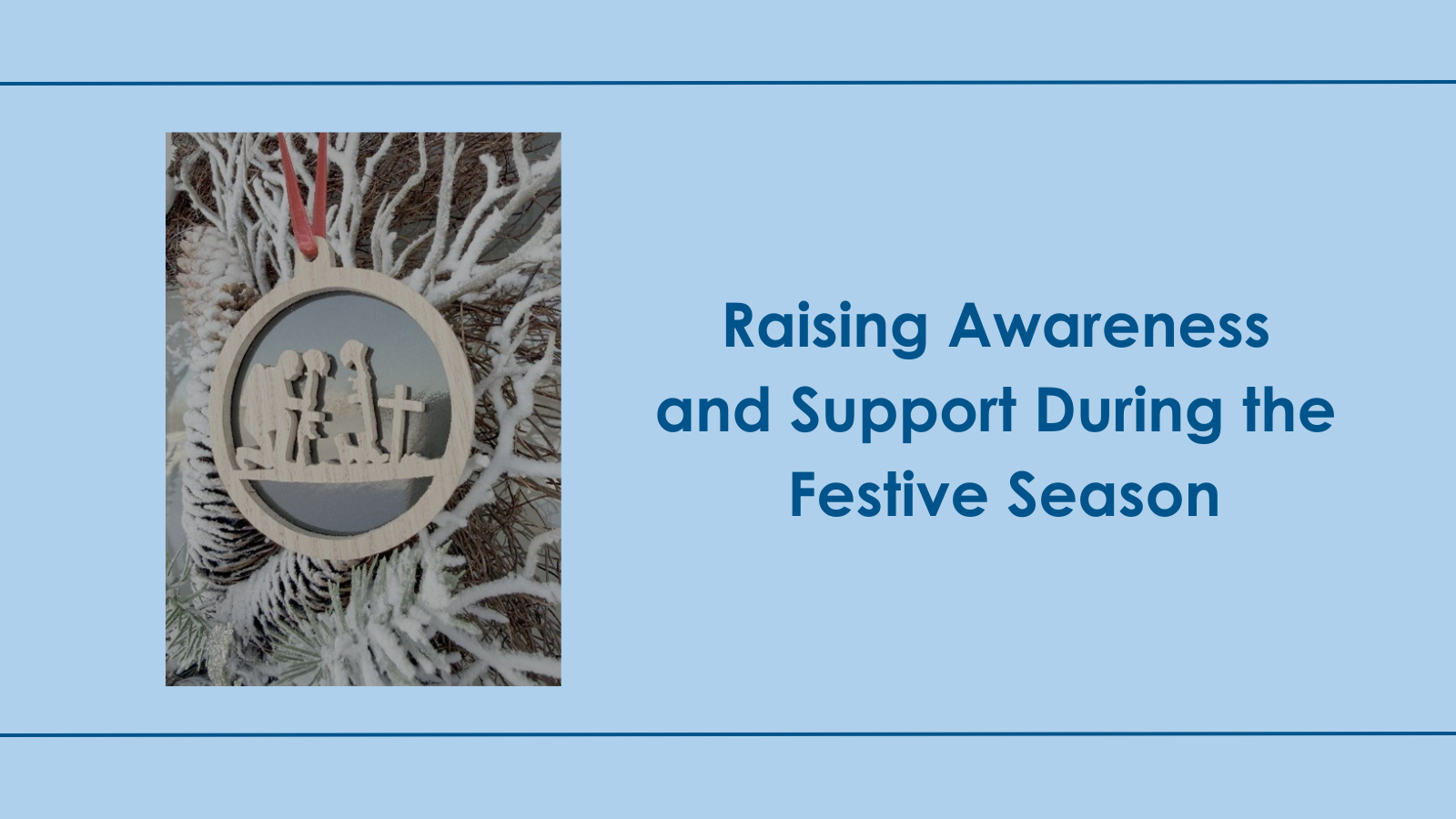
Raising Awareness and Support During the Festive Season

It’s the MOST WONDERFUL TIME OF THE YEAR…
to Educate Communities About Veterans’
Service and Contributions

Raising Awareness and Support During the Festive Season

Individuals and organizations alike consistently turn to Dixon Center for Military and Veterans Services to collaborate on impactful actions and innovative ideas that enhance the well-being of veterans and their families. The Center’s mission is multifaceted, focusing on generating ideas, encouraging action, facilitating influence, and bringing together stakeholders to benefit veterans.

Harnessing the Holiday Season for Community Awareness

The holiday season presents a unique, invaluable opportunity to unite communities, foster understanding, and shine a light on the service and contributions of veterans and their families. With families gathering, local events in full swing, and the spirit of giving at its peak, this time of year is ideal for educating communities about veterans’ needs and the valuable roles they play. Below are actionable ideas to help raise awareness and inspire meaningful action during the holidays.

Opportunities to Inspire Action

Host Community Storytelling Events

Organize storytelling nights or panel discussions where local veterans have the chance to share their personal experiences. These events create a powerful platform for veterans to tell their stories, allowing communities to gain a deeper understanding of the challenges and accomplishments that come with military service. Storytelling events are especially valuable for schools, civic organizations, and families, as they foster connections and build empathy throughout the community.

Organize Holiday Drives and Service Projects

Coordinate donation drives that provide essential items such as warm clothing, toiletries, or holiday meals for veterans in need. Pair these drives with educational materials that inform participants about the specific challenges facing veterans within the community, emphasizing the significance of each contribution. Additionally, community service projects – such as volunteering at veterans’ shelters – offer hands-on learning opportunities for people of all ages.

Leverage Social Media and Local Media Outlets

Utilize social media platforms to share articles, interviews, and videos that tell veterans’ stories and highlight their ongoing needs. Collaborate with local newspapers and radio stations to feature segments about veterans during the holiday season. These efforts broaden the reach of awareness initiatives and help engage – and even activate – a wider audience.

Incorporate Veterans’ Education into Festive Activities

Integrate educational displays or presentations into holiday parades, markets, and religious services. These could showcase statistics, stories of heroism, and examples of veterans’ positive impact on the community. Encourage youth groups to participate by creating artwork, writing essays, or performing in honor of veterans, helping to make education and appreciation a central part of holiday celebrations.

Key Messages to Convey

  • Beyond the Battlefield: Highlight the contributions of veterans and their families in civilian life and their ongoing needs – including emotional, spiritual, and social wellness, housing, and employment.
  • Military Families: Educate communities about the unique challenges faced by military families, especially during deployment, and ways to support them.
  • Longevity of Service: Emphasize that support for veterans should extend beyond Veterans Day and be recognized year-round, addressing diverse needs across generations.

Conclusion

By integrating education and awareness into holiday traditions, communities can foster gratitude, motivate support, and ensure that veterans are recognized for their service and ongoing contributions. This festive season, make honoring veterans a central theme in celebrations and conversations. In doing so, communities help build a culture of appreciation and support that extends throughout the year.

About Dixon Center for Military and Veterans Services:
Key Actions Supporting Veterans

  • Providing Ideas: The Center develops concepts and strategies aimed at creating positive change for veterans and their families.
  • Encouraging Action: The organization motivates individuals and groups to implement effective solutions that address veterans’ needs.
  • Facilitating Influence: Dixon Center assists people and organizations in advocacy efforts, ensuring that veterans’ well-being is prioritized.
  • Convening Stakeholders: By bringing together diverse groups, the Center supports a unified approach to helping veterans.

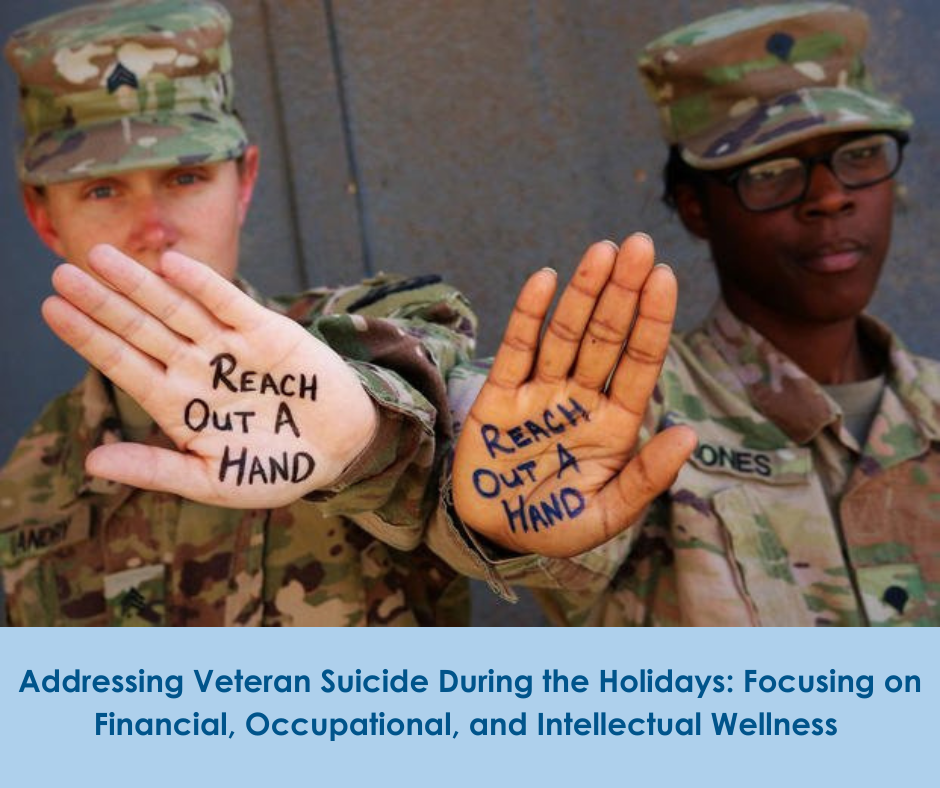
Addressing Veteran Suicide During the Holidays: Focusing on Financial, Occupational, and Intellectual Wellness 

Addressing Veteran Suicide During the Holidays: Focusing on Financial, Occupational, and Intellectual Wellness 

Understanding Seasonal Challenges and Pathways to Prevention 

The holiday season, often depicted as a time of joy and togetherness, can present unique challenges for military veterans. For many, the contrast between festive expectations and personal realities can deepen feelings of isolation and distress. Unfortunately, rates of veteran suicide tend to increase during this period, underscoring the urgent need for targeted prevention efforts. 

Explaining how seasonal stressors, such as financial pressures and disrupted routines, can exacerbate feelings of isolation among veterans, this blog highlights the increased risk of veteran suicide during the holidays and emphasizes the importance of addressing financial, occupational, and intellectual wellness as prevention pathways. This document suggests targeted solutions like financial counseling, employment support, and opportunities for intellectual engagement, and underscores the value of community and VA resources in supporting veterans’ overall well-being during this particularly challenging time of year. 

The Holiday Burden: Triggers, Sometimes Hidden, Put Veterans at Risk 

Veterans face a combination of risk factors during the holidays. Memories of deployment or lost comrades may intensify, while societal pressures to celebrate can magnify feelings of disconnection. Emotional struggles, often invisible to the outside world, are then exacerbated by practical challenges—such as financial uncertainty, difficulty in finding or maintaining meaningful employment, housing instability, and a lack of engagement in stimulating activities—that collectively threaten an individual’s overall well-being.  

Financial Wellness: Reducing Stress and Building Stability 

Financial stress is a significant contributor to mental health challenges among veterans, especially during the holidays when expectations around gift-giving and celebrations can further strain already limited resources. Preventive solutions start with connecting veterans to financial counseling services that offer budgeting strategies, debt management, and assistance in accessing benefits. Community organizations and veteran service groups should amplify outreach for emergency relief funds and holiday-specific assistance programs. Small group workshops on financial literacy can empower veterans to make informed decisions, reducing stress and increasing a sense of control during a time that often feels overwhelming.  

Occupational Wellness: Creating Purposeful Engagement in the Workplace and Beyond 

Stable, meaningful employment not only offers financial security but also provides structure and a sense of purpose—critical factors in suicide prevention. During the holidays, when routines may be disrupted and temporary layoffs more common, veterans can be especially vulnerable. Outreach programs that connect veterans with seasonal employment opportunities, job fairs, or volunteer roles can help bridge gaps and restore routine. Additionally, workplace mentoring and peer support groups can foster a sense of belonging, help veterans navigate occupational transitions, and remind them they are not alone in their struggles.  

Intellectual Wellness: Encouraging Growth and Connection 

Intellectual wellness involves staying mentally stimulated, continuing to learn, and engaging in creative pursuits. The holidays present an opportunity for veterans to participate in workshops, educational classes, or artistic activities—often available through community centers or VA programs. These activities not only provide healthy distractions from negative thoughts but also promote self-esteem and a renewed sense of capability. Encouraging veterans to set personal learning goals and schedule time for intellectual stimulation – whether that means joining a book club or participating in discussion groups related to one’s hobbies – can cultivate curiosity and connection, which are vital to long-term wellness. 

Across the nation, a variety of organizations are dedicated to supporting veterans’ financial, occupational, and intellectual well-being. The Department of Veterans Affairs (VA) offers comprehensive counseling and benefit assistance, while nonprofit groups like the Wounded Warrior Project and Team Red, White & Blue provide mentorship, employment connections, and social programs. Many local community centers and veteran service organizations host workshops, job fairs, and educational events tailored specifically to veterans, ensuring that they have access to the resources and networks necessary for personal growth and stability. By leveraging these services, veterans can find guidance, build new skills, and strengthen their sense of community during the holiday season and beyond. 

Notably, the work of three organizations is making significant positive impacts on veterans and their families throughout the year: 

  • The International Union of Elevator Constructors Veterans Assistance Program offers specialized training, occupational guidance, and job placement services, helping veterans develop valuable skills and find stable careers in the union construction industry. 

  • Black Veterans for Social Justice delivers comprehensive support through career counseling, financial literacy workshops, and educational programs, promoting intellectual growth and economic stability. 

Together, these organizations not only address veterans’ financial, occupational, and intellectual well-being but all eight dimensions of wellness—providing resources, mentorship, and advocacy that help veterans and their families build futures filled with opportunity and resilience during the holidays and beyond.  

Moving Forward: A Holistic Approach 

Addressing and ultimately preventing veteran suicide during the holidays requires a comprehensive approach that addresses all eight dimensions of wellness – and especially the intertwined aspects of financial, occupational, and intellectual health. Family, friends, and community organizations play a crucial role in our mission to recognize warning signs and foster environments where veterans feel seen, heard, and supported. 

By offering practical resources and encouraging meaningful engagement, we can empower veterans to navigate the holiday season with renewed resilience—and with hope for the year ahead. 

Even with Government Shutdown Nearer to an End, Physical Wellness Must Remain a Priority

Even with Government Shutdown Nearer to an End, Physical Wellness Must Remain a Priority

Maintaining One’s Physical Health During Uncertain Times: Challenges and Solutions for Federal Employees, Veterans, and Military Families

Physical wellness is more than the absence of illness; it is a holistic concept encompassing exercise, nutrition, sleep, injury prevention, routine medical checkups, and mental health. As the 2025 government shutdown disrupted the lives and routines of federal employees, veterans, and military families, it amplified pre-existing challenges to maintaining physical wellness.

The far-reaching impacts of the shutdown have made it increasingly difficult for many to sustain healthy habits, threatening both short-term well-being and long-term quality of life. This blog examines the effects of the shutdown on physical health, explores the most pressing challenges faced by those impacted, and offers actionable strategies alongside community resources to support individuals and families.

Understanding Physical Wellness

Physical wellness forms the cornerstone of a healthy and active life. It is defined not simply by whether someone is sick, but by a person’s ability to perform daily activities with energy and ease. Central elements include regular exercise, balanced nutrition, restful sleep, healthy body composition, responsible substance use, injury prevention, routine medical care, and robust mental health. When these components work in harmony, people experience optimal physical functioning and a better overall quality of life. Even minor disruptions—such as a pause in paychecks or changes in daily structure—can upset this balance and make it harder to maintain healthy routines.

Challenges Faced During the 2025 Government Shutdown

The ongoing government shutdown has imposed new and unprecedented obstacles for federal employees, veterans, and military families. The sudden halt in government operations has led to widespread financial uncertainty, restricted access to essential resources, and disrupted daily routines. Taken together, these factors have a profound effect on physical wellness across multiple dimensions.

  • Financial Strain and Nutrition: One of the most urgent concerns is the financial strain resulting from missed paychecks and delayed benefits. Federal employees, veterans, and military families may find it increasingly difficult to budget for nutritious food. In many instances, these parties have been forced to rely on cheaper, processed foods, which can lead to poor dietary choices, inadequate nutrition, and an increased risk of chronic health conditions like obesity, diabetes, and heart disease. Nutritional deficits can weaken immune systems and lower energy levels, making it more difficult to manage stress.
  • Disrupted Access to Exercise Facilities: The closure of government-operated gyms, recreational centers, and base fitness facilities further limits opportunities for regular physical activity. Exercise is essential for cardiovascular health, muscle strength, and overall well-being. Veterans with disabilities are especially affected, as accessible exercise environments are unavailable. The loss of these resources can lead to decreased motivation, reduced activity, and increased risk of sedentary-related health problems.
  • Impact on Sleep and Mental Health: Stress and uncertainty about finances and employment can disrupt sleep patterns and mental health. Anxiety may make it hard to fall or stay asleep, resulting in irritability, fatigue, and diminished cognitive function. Physical and mental health are deeply interconnected, and emotional distress often leads to physical symptoms such as headaches, muscle tension, and digestive issues.
  • Medical Checkups and Healthcare Access: Routine medical care—including checkups, screenings, and treatments—may be delayed or inaccessible during the shutdown. Federal employees and military families risk postponing necessary healthcare, which can result in undiagnosed or unmanaged health problems. Difficulties in filling prescriptions or accessing specialized care further threaten physical wellness.
  • Substance Use and Injury Prevention: Heightened stress can lead to unhealthy coping mechanisms like increased alcohol or substance use. Reduced supervision and lack of guidance in exercise routines may also result in unsafe practices, raising the risk of injuries.

Solutions for Maintaining Physical Wellness

Despite these challenges, there are practical strategies and supportive resources that can help federal employees, veterans, and military families safeguard their physical wellness during the shutdown.

  • Community Support and Food Assistance: Local food banks, veterans’ organizations, and outreach groups often expand their support during crises. Accessing these resources can help ensure that individuals and families receive nutritious meals. Military installations and veteran services may offer emergency assistance, meal distributions, and financial counseling to address immediate needs and promote long-term stability.
  • Home-Based Exercise Routines: With gyms and facilities closed, home-based workouts become vital. Online platforms and mobile apps provide guided routines for all fitness levels, including bodyweight exercises, yoga, stretching, and walking or running outdoors. Veterans’ organizations also offer adaptive exercise resources for individuals with physical limitations, making it possible to stay active regardless of circumstances.
  • Sleep Hygiene and Stress Management: Healthy sleep habits can improve physical and mental wellness. Strategies include maintaining a regular bedtime and wake-up time, minimizing screen time before sleep, and creating a relaxing nighttime routine. Stress management techniques—such as mindfulness, meditation, and deep breathing exercises—can help alleviate anxiety. Many organizations provide free or low-cost mental health resources to support those affected.
  • Telemedicine and Virtual Healthcare: When in-person appointments are unavailable, telemedicine offers a viable alternative. Virtual consultations, prescription renewals, and health screenings can be accessed through healthcare providers and veteran services. Staying proactive about medical care, even virtually, helps prevent minor issues from becoming serious.
  • Responsible Substance Use and Injury Prevention: Awareness campaigns and counseling services are critical for preventing unhealthy coping mechanisms. Following safe exercise practices—like warming up, maintaining proper form, and using safety gear—can reduce the risk of injuries, even when working out at home.

Several organizations have mobilized to provide support during the shutdown. The American Red Cross, Feeding America, and local food pantries have expanded meal programs and emergency distributions. Veterans’ groups, including the Wounded Warrior Project and Team Red, White & Blue, continue to offer adaptive exercise programs, virtual fitness challenges, and wellness workshops. The YMCA and USO are also providing free or reduced-fee online fitness classes, stress management webinars, and health resources to help maintain healthy routines.

Conclusion: Prioritizing Wellness in Uncertain Times

The 2025 government shutdown has underscored the importance of physical wellness for federal employees, veterans, and military families facing extraordinary challenges. By leveraging available resources, adopting flexible and proactive wellness strategies, and supporting one another as a community, individuals can better navigate these difficulties and maintain their physical health. Prioritizing wellness during times of uncertainty is not just a personal responsibility—it is an essential step toward resilience, strength, and hope for a healthier future.

More Posts

Honor, Anticipation & Preparation

“Now more than ever, we are reaffirming our unwavering support for those touched by military service by ensuring we have the resources to fulfill our commitments.”  – Eileen

The Power of Partnership

How the Center and the Fedcap Group Make Greater Impact Together At the heart of Dixon Center for Military and Veterans Services’ (the Center) mission