“I joined the Army in 2008, January. I went first to my Basic Training in Fort Jackson, then to AIT in Fort Lee to be a Supply Specialist. After that I was sent to Fort Bragg as my first duty station. I was there for a couple months before my first deployment. They wanted more field artillery, so we were only there for maybe three months.
“When I reenlisted, I went to Fort Hood, Texas. Immediately we were training for deployment. And the next thing you know, we deployed. When we came back from deployment, they were training us again to go and be deployed the next year. That’s when I made my decision to get out of active duty. I saw others who were able to take classes and be hands on, but because I was always either in brigade or battalion, I couldn’t make progress in the areas I wanted.
“For me, I had to take different steps than the military. I got out of the military, out of active duty. I got into school. I’ve had a couple of jobs here and there, but [it wasn’t until Peoples Gas and the UMAP training that] it finally felt in tune.”
Even before joining the military in 2008, Tiffany dreamed of finishing her education.
“My mom is a teacher, so school is big in my family. Everybody on my mom’s side has graduated from college. They’re either teachers, accountants, doctors, or school counselors. I just felt that because I went into the Army, I might have a little setback transitioning to a student. But the military helped too, because a lot of opportunities I was given, I wouldn’t have had without serving.
“I had tried to enroll in courses with each different unit I was in with the Army, but because of my position as a Brigade Supply Specialist, the demand of the job made it impossible to complete any classes. I would go through the whole chain of command to sign off on paperwork, go to class, and the first week they’d need me back in the office and I needed to drop all my classes.”
For so many veterans, finding meaningful, stable employment is the most daunting challenge of re-entry to civilian life. So when Tiffany heard from former colleagues in her unit about UMAP and the Peoples Gas training program, she thought it “sounded like a winner.”
“The only jobs that have been working for me…well, I wouldn’t really even say that. I’ve just been trying to keep my head above water.
“When I first got out, the first job I got was with the post office. They wanted all your time and it was difficult to be turned over to full-time employment with benefits. There was no way to see where the rainbow ended. I made the decision to leave and find a career that would lead to more upward mobility.
“In the reserves, I had a few soldiers that had the opportunity to work for Peoples Gas. It put them in a good position for support themselves and their families. They spoke highly about the program and it piqued my interest. I will forever be grateful to these soldiers for networking with me to help me better myself.
“I am a hands-on type of person. I am good with people. I like the fact that [this program] gives you the training to safely complete each job. Our instructors take pride in helping you understand the work, the tools. You’ve got the hands-on training, you’ve got a lot of instruction from ‘Dino’. I think I’m going to like this job. I actually think I’m going to love it.”
Dixon Center’s unique partnership with the Utility Workers Military Assistance Program assists in eliminating major barriers in transition and aims to ultimately increase quality of life for veterans and their families. The UMAP program provides thousands of veterans access to employment training and credentialing in gas sector utility jobs, as well as information regarding community resources. The Peoples Gas affiliate of Chicago has become a trusted and vetted training program, guaranteeing employment after successful completion of six months of classroom study and paid hands-on internship experience. According to the UWUA website, “more than 100 graduates have become Local 18007 members working at Peoples Gas.”
“I was going to school and I had a bunch of jobs, but it’s kind of hard maintaining or managing that money when it’s coming from so many different places at so many different times. So for me, I was looking for something that’s more stable and structured. I mean, I made it work, but it can get tiring trying to juggle everything.
“When I first got back, it was a shock. I was so used to somebody telling me what I had to do. It took me the better part of a year to snap out of that. Now I’m back into my own mode of making things happen. But it was difficult. And I know it’s not just me going through it. I see other people, other veterans struggling.”
While there are 40,000 veterans support organizations lining up to assist, veterans can get lost in the sea of well-meaning organizations. Tiffany describes Dixon Center and the UMAP Workforce Development as unique from the others.
“This program is just so different. I don’t know how, but even my mom has seen a change. Here, I pull up to the school and see my classmates and, I’m not going to lie, I smile. It’s just a different environment. Maybe it’s because these are vets and we share similar experiences, or we just have that battle buddy type of mode. This program is just more in tune, making sure you understand this work and are prepared for your future.”
Like Tiffany, thousands of veterans continue to find a pathway to better overall health and wellness, employment, and financial stability through Dixon Center programs and partnerships. Tiffany dreams of one day going into business for herself, “something like construction or flipping homes or rehabbing buildings.” Because of her dedication to the UMAP course work, she will matriculate from her classroom study on November 15th and will begin a stable position with Peoples Gas. Good luck in all your future endeavors, Tiffany!
_______________________________________________________________________________________________________
One of the most critical times for military service members is the reintegration from active service to veteran status. The transition from the military to a civilian career can be particularly challenging. That’s why Dixon Center puts an emphasis on Workforce Development for these transitioning veterans and their spouses struggling to find stable employment through deployments and changes of station. Dixon Center’s unique partnership with the Utility Workers Military Assistance Program (UMAP) is just one in a series of connections forged to eliminate major barriers in this transition. Partnerships with UMAP, the Teamsters Military Assistance Program (TMAP), US Army Soldier for Life, and others provide veterans and their families access to employment training, credentialing, and connections to community resources. To date the UMAP/TMAP programs have provided training to over 2,700 service members, veterans, and family members with an employment success rate of 98%.

 This column original ran on InsideSources.com on December 26, 2018.
 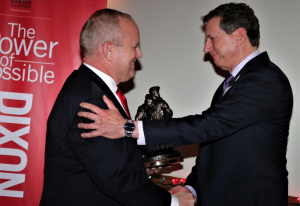 Last night Dixon Center was honored to recognize two people pivotal to our organization’s success through the presentation of the first annual Herbert Metzger Service Award, named for Herbert R. (Herb) Metzger (June 9, 1923 -October 7, 2013).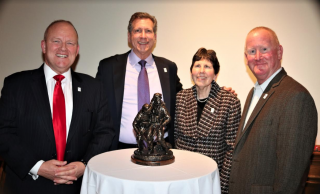
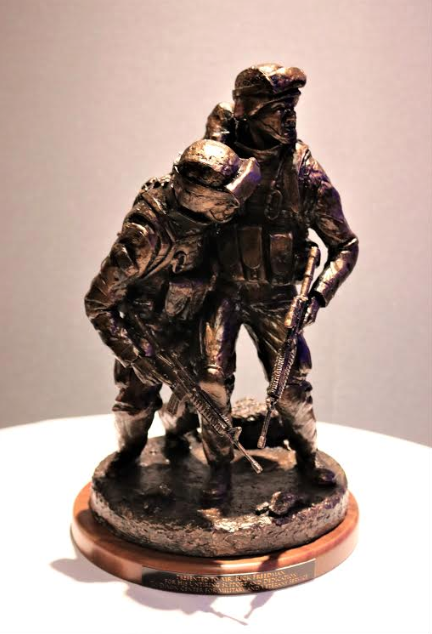
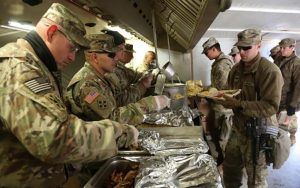 Thanksgiving is a very meaningful day for the Dixon Center for Military and Veterans Services family. Having spent several Thanksgivings in a combat zone in Iraq, I am grateful for every day I have with my family, both at home and at work. It’s also important for me to thank my fellow veterans, nearly 20 million strong, who have proudly served our country.
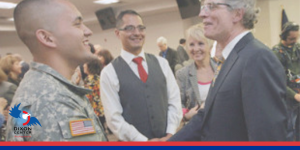 With an estimated 240,000 service members separating from military service each year, according to the Department of Defense1, American employers are faced with the challenge and desire to cultivate the talents of these capable men and women. Now is a critical time for American collaboration in reintegration programming like workforce development.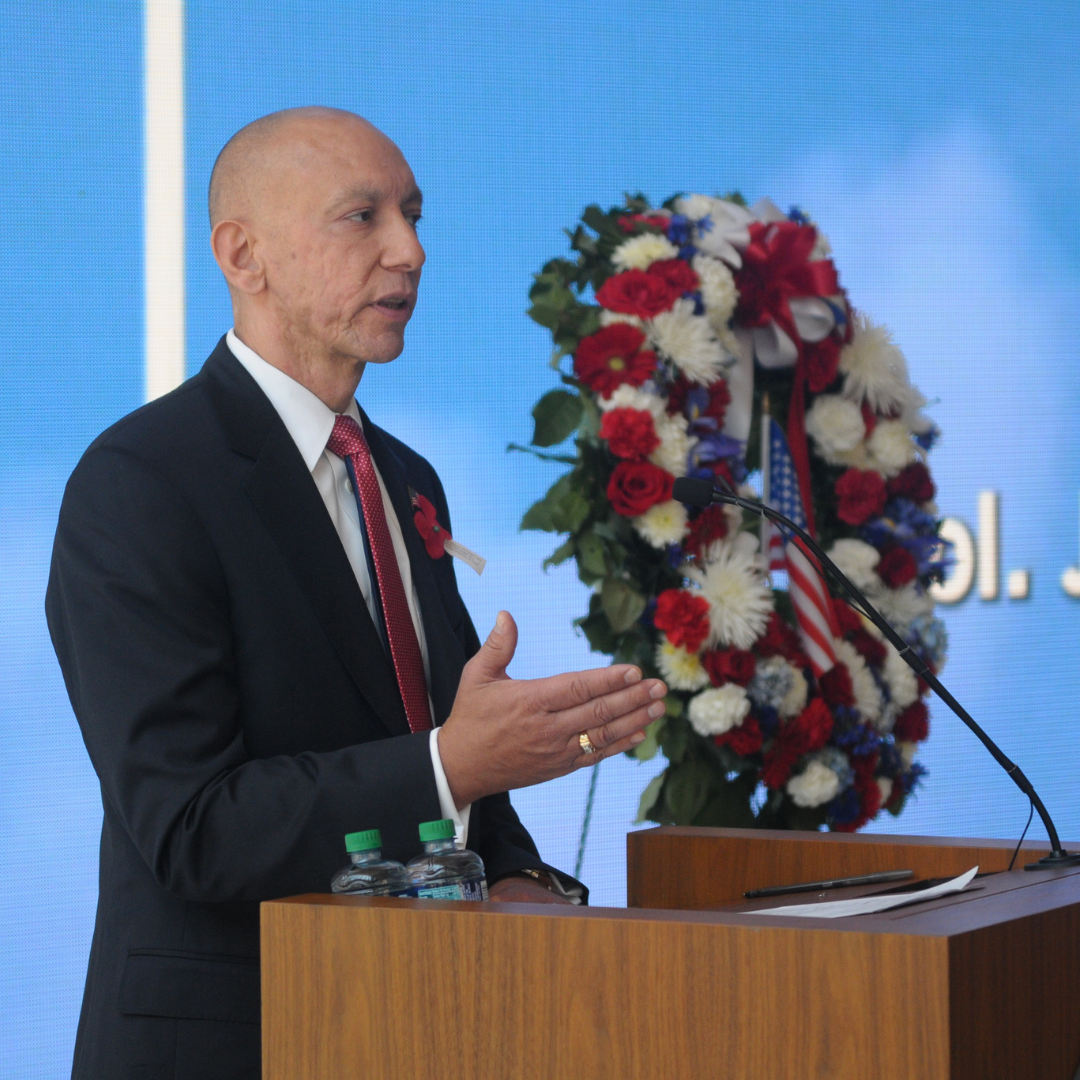
 Veterans Day is a very special day in my family. We take time to remember the men and women with whom I have served, many of whom have eaten dinner with us, played with the kids and crashed on our couch. In the military, everyone is family.
 Why Dixon Center?
 One of the most critical times for military service members is the reintegration from active service to veteran status. The transition from the military to a civilian career can be particularly challenging. That’s why Dixon Center puts an emphasis on Workforce Development for these transitioning veterans, as well as their spouses struggling to find stable employment through deployments and changes of station.
 Army Sergeant Tiffany, Chicago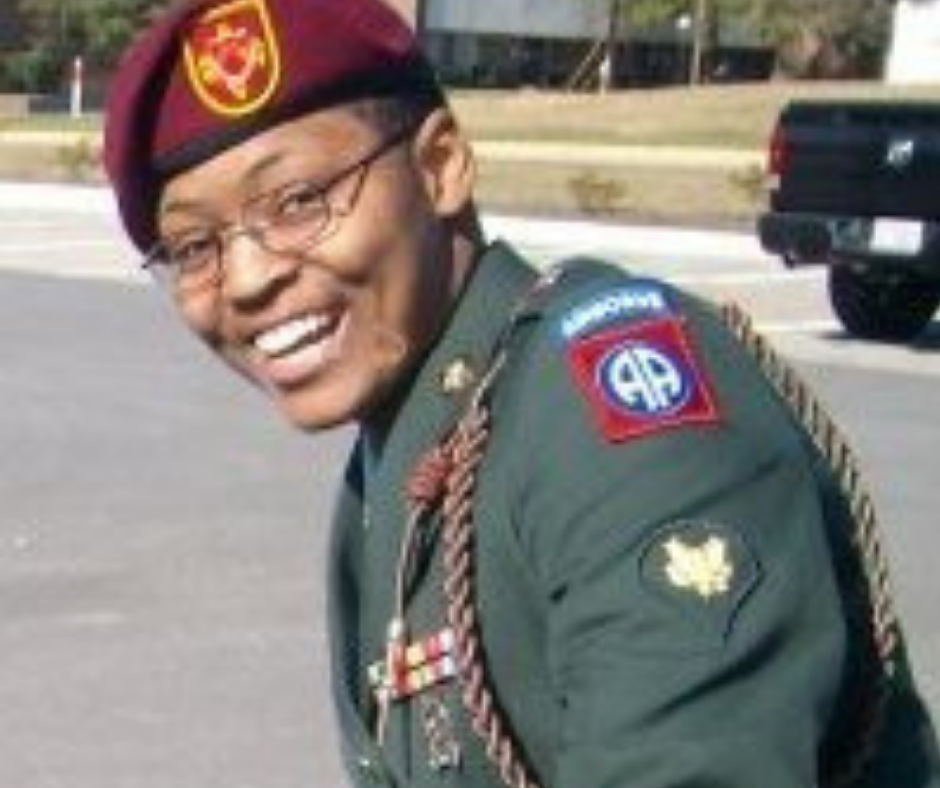
 How long have you been with Dixon Center?
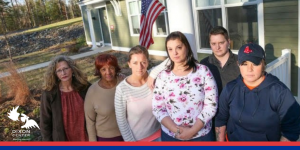 According to the US Department of Veterans Affairs, women made up 15% of the active-duty military force in 2015. Women are the fastest growing group among military and veteran populations. As more women serve in and eventually separate from the military, like all veterans, they seek continued opportunities to serve in successful careers, build community relationships, and maintain a comfortable lifestyle with their families.