 Basic needs are generally defined in terms of a minimal list of elements that human beings need to fulfill basic requirements and achieve a decent life. Typically, the list includes basic commodities, such as food, clothing, and shelter, as well as essential services, as access to drinking water, to sanitation, to education, to healthcare facilities, and to public transportation. Broader definitions of basic needs may include those items needed for self-reliance, autonomy, and self-expression.
There are approximately 183,000 service members that will transition out of the military every year. According to the National Coalition for Homeless Veterans, there are about 1.4 million veterans considered at risk of homelessness due to poverty, lack of support networks, and dismal living conditions in overcrowded or substandard housing.
Although flawless counts are impossible to come by – the transient nature of homeless populations presents a major difficulty – the U.S. Department of Housing and Urban Development (HUD) estimates that 40,056 veterans are homeless on any given night.
Where We Are
Through our Basic Needs program, we help organizations that fund efforts and direct service programs that aid veterans and their families who are in need of food, clothing, or shelter as well as essential services.
Many of these organizations recognize the variety of Basic Needs “safety net” efforts in local communities or across the nation however they struggle to find the veterans in need. That’s where Dixon Center comes in by maintaining a continual learning posture and monitoring trends to help assess and adjust as needs and efforts evolve.
Dixon Center has assisted a wide range of organizations that meet varied needs. For example, funds were supplied to purchase new warm winter coats for disadvantaged veterans in Chicagoland. The cost of building materials and supplies to repair the homes of low-income families and the elderly living in substandard housing in Florida was covered. Gift Cards were provided to veterans in the Utility Workers Union of America Military Assistance Program training and apprenticeship. Working with other organizations we were able to provide access to public transportation to get to work and school.
The Way Ahead
In March 2020, the coronavirus outbreak forced an abrupt shift in the economy’s trajectory as state and local governments instituted bans on large public gatherings, closures of schools and non-essential businesses, and stay-at-home orders. Now we are finding more veterans struggling to cover essential expenses such as food and housing and worried about how they will cope.
Working with organizations like the building trades, affordable housing organizations, direct-service providers and others we provide technical assistance/training, resource sharing, and strong leadership to our partners, who, with our ongoing support provide basic needs assistance.
Dixon Center works with organizations across the country that can walk the vet through both systems, piecing together funds to build a personal balance sheet tailored to the veteran’s specific needs. The program works with financial services partners to provide additional financial aid, if necessary.
Further, we work to leverage complementary partner organization programs to provide even more support to get their veterans securely on the path to financial stability. Key assists will be help navigating the job market and improving their financial literacy.


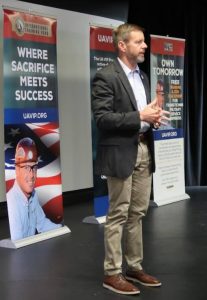
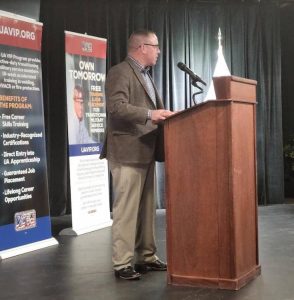
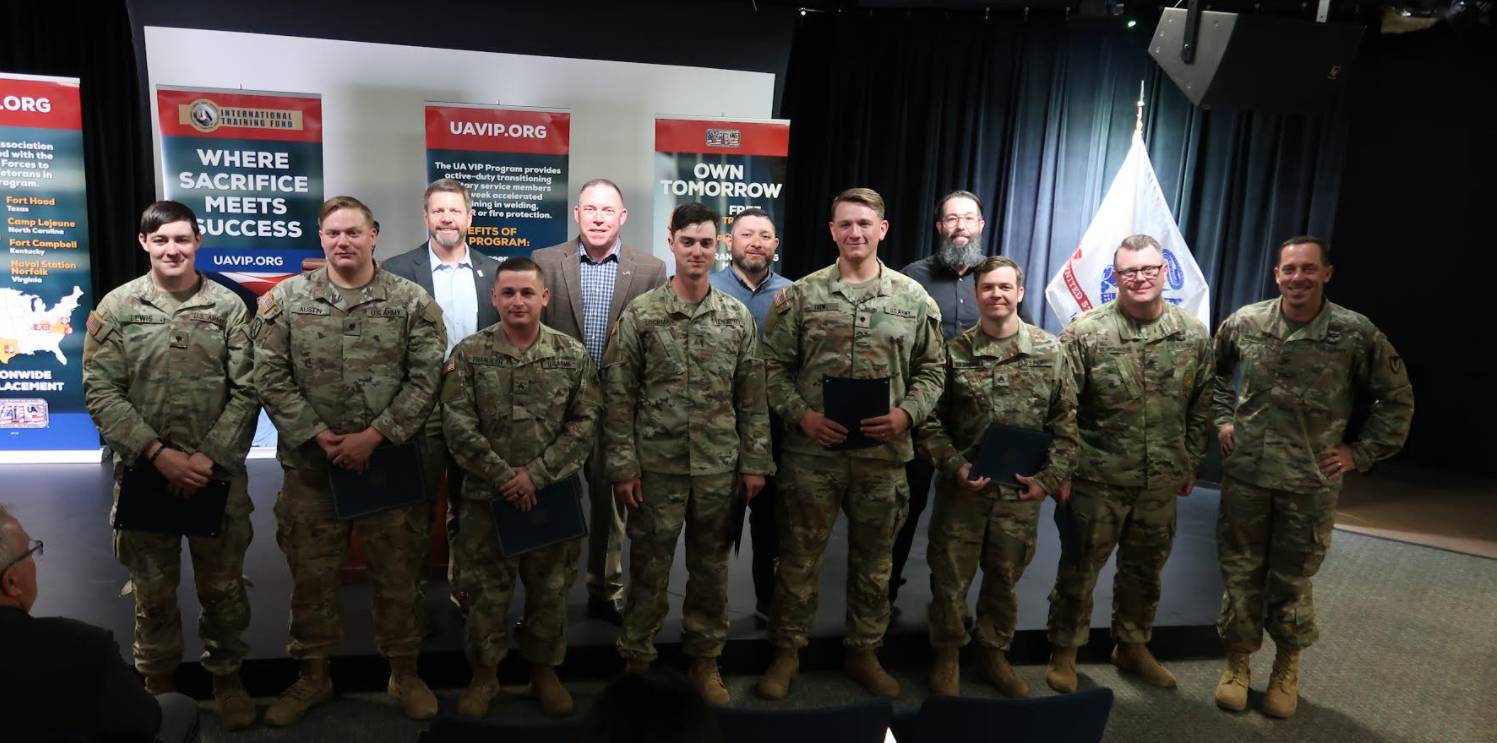
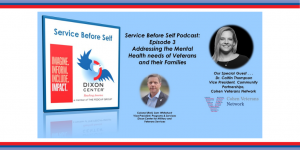 On August 14, 2020,
 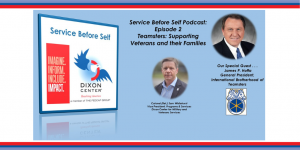 On September 15, 2020
  On August 14, 2020
  The last three months of the year brings the population opportunities and challenges. In a normal year, families will travel to join and gather in thanks for all they have and to reflect on the past and revel in the hopes of the future. This year is far from normal.
 Serving in the military was one of the highlights of my life. I say this, because many of those service members I served with and many of those veterans I now advocate for, are wired to serve.
 Join us this Veterans Day by reflecting on the service, and celebrating the achievements, of our Nation’s veterans. At Dixon Center for Military and Veterans Services we recognize that many of the freedoms and values we may take for granted come from the service and commitment of our veterans and military families.